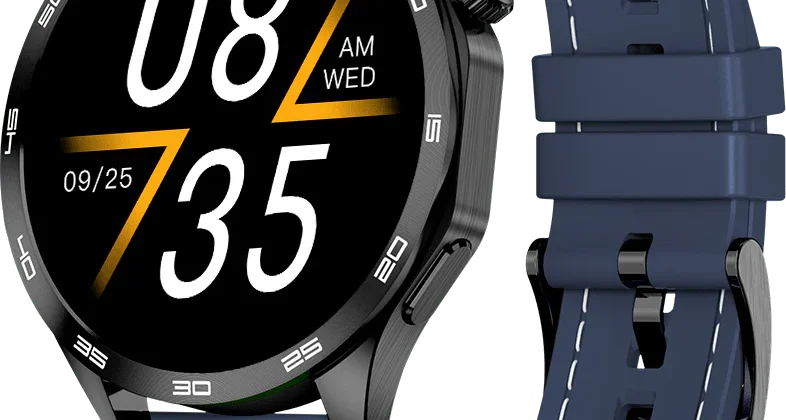
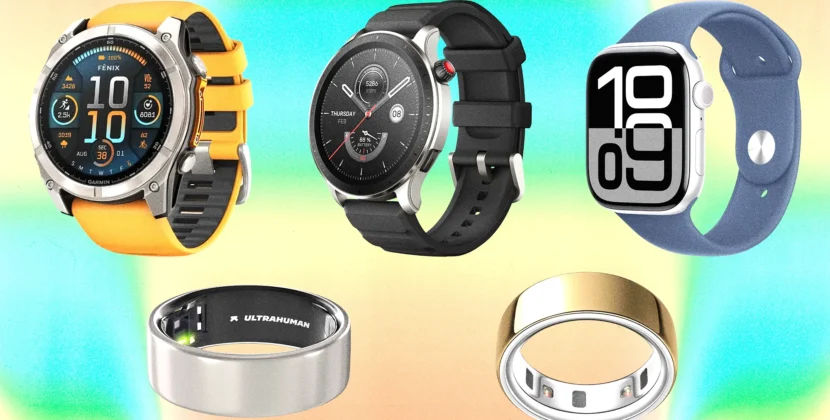



As we move deeper into 2025, the world of smartwatches is evolving rapidly. What once began as simple notification‑on‑your‑wrist devices have transformed into sophisticated wearables offering health insights, productivity boosts, and even fashion statements. In this article, we’ll explore the major trends shaping the future of smartwatches, discuss why they matter for users like you (especially if you’re in Lahore or Pakistan), and what to expect in the next few years.
Health Monitoring Goes Clinical‑Grade
One of the most significant shifts is smartwatches becoming serious health companions rather than just fitness trackers. Wearables in 2025 are increasingly equipped with sensors that aim to measure blood pressure trends, blood oxygen (SpO₂), skin temperature, and even preliminary versions of non‑invasive glucose monitoring.
What this means for you: If health is a key priority—whether tracking sleep quality, monitoring stress, or even watching out for early signs of chronic conditions—the next generation of smartwatches can offer meaningful data and insights. While they’re not replacements for professional medical devices, they’re fast becoming reliable wellness tools.
For markets like Pakistan, where healthcare access may vary by region, a smartwatch that offers continuous monitoring and integrates with smartphone apps can help users gain better awareness of their health trends.
AI‑Driven Smarts & Predictive Assistance
Another major trend is the growth of artificial intelligence (AI) inside the watch. Smartwatches are becoming proactive rather than reactive—they don’t just record data; they interpret it, learn user habits, send alerts, and even make suggestions. For example, a watch might detect your heart rate is elevated for long periods and recommend a breathing exercise, or note you’ve been sedentary and prompt you to stand.
What to watch for:
-
Activity recognition: Some new research shows watches can run advanced on‑device models to detect more than 25 different activities in real time.
-
Predictive health alerts: Rather than waiting for symptoms, your watch may alert you when something unusual happens so you can take action early.
-
Smarter assistants: Voice commands, contextual suggestions, and integration with other devices will improve.
This means that your wearable could gradually shift from “just a gadget” to “your personal wellness co‑pilot.”
Battery, Connectivity & Standalone Functions
A practical barrier many users face is battery life, plus dependence on smartphones. In 2025, we’re seeing strong innovations around battery and connectivity:
-
Longer battery life: Watches lasting multiple days or even weeks thanks to low‑power chips, solar assistance or kinetic harvesting.
-
Satellite connectivity & independent use: Some watches now support satellite SOS messaging or work more independently of a phone.
-
5G/LTE integration: Better connectivity for calls, music, data sync without requiring your phone to be nearby.
Why it matters: For users in Pakistan or regions where charging every day might be inconvenient, a smartwatch that can last longer or send messages even without strong cellular coverage is a strong benefit.
Design, Sustainability & Lifestyle Integration
Smartwatches are no longer purely tech gadgets—they’re also fashion accessories and lifestyle statements. In 2025 the trends include:
-
Eco‑friendly materials: Recycled metals and biodegradable straps are gaining traction.
-
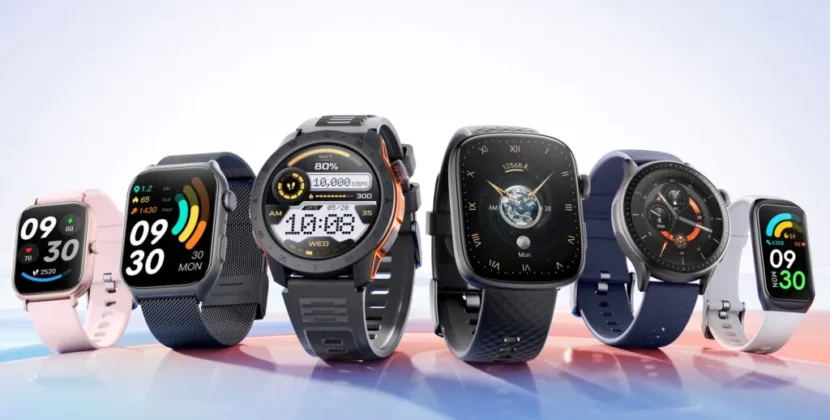
Luxury and customisation: Brands are collaborating with heritage labels, using premium materials like titanium or sapphire, and offering modular straps and bezels.
-
Seamless integration into daily life: From smart home controls to car integration and beyond, your watch is becoming a hub rather than just a screen.
For users who want both function and form, this means watches that not only perform well but also look good and match your style.
Ecosystem Expansion: Smart Homes, AR & Beyond
Smartwatches are increasingly becoming nodes in a larger ecosystem. Some of what to expect:
-
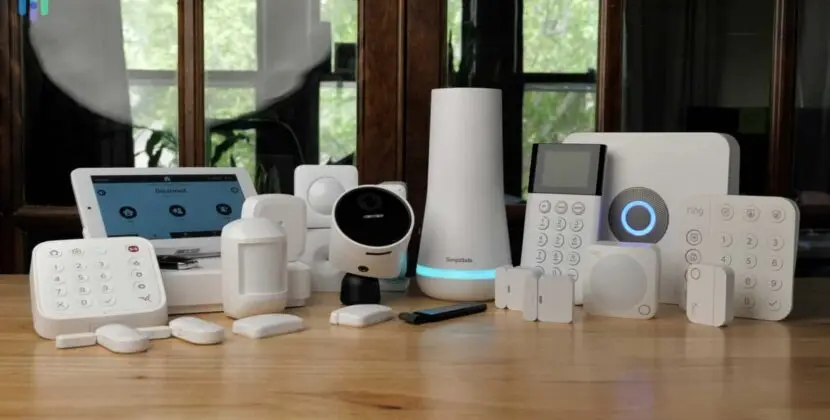
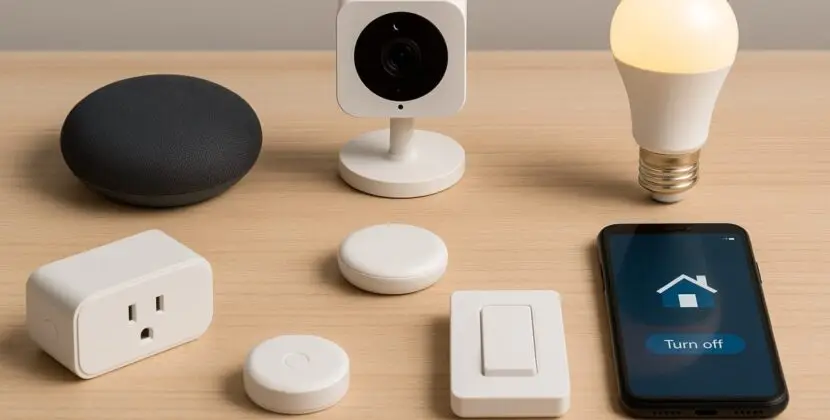
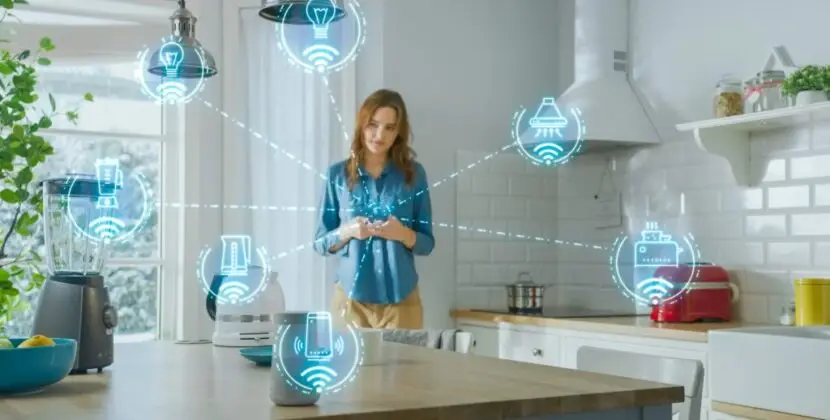
Smart home control: Your watch may handle lights, locks, thermostat controls, and more from your wrist.
-
Augmented reality (AR) integration: While still nascent, some wearables are preparing for AR overlays, navigation, or immersive experiences.
-
Wellness + lifestyle ecosystems: The watch doesn’t just track your steps—it integrates with home gym, nutrition apps, productivity tools and more to create a unified experience.
As a user, this means your next smartwatch might reduce your reliance on your phone for many tasks.
What to Consider Before You Upgrade
With all these innovations, how do you decide whether to buy or wait? Here are a few questions:
-
Is health monitoring your priority? If yes, look for watches offering advanced sensors (blood pressure, SpO₂, predictive alerts).
-
Do you want longer battery life and less reliance on your phone? Then models with independent connectivity or extended battery make sense.
-
Does style and durability matter? If you’ll wear the watch 24/7—from gym to work to sleep—look for a comfortable build, quality materials and decent strap options.
-
Are you invested in an ecosystem (iOS or Android)? Integration and app support still matter a lot.
-
Will you use the watch beyond fitness—like smart home, payments, AR/notifications? Then ensure your model supports the broader ecosystem you need.
Frequently Asked Questions (FAQ)
Q: Will smartwatches really monitor blood glucose without a finger‑prick by 2025?
A: There’s strong research and progress toward non‑invasive glucose monitoring in wearables, and 2025 may see early versions. However, full accuracy and wide availability are still evolving, so it’s best to treat it as a developing feature rather than a guaranteed spec.
Q: How long will the battery last on next‑gen smartwatches?
A: Some models claim multiple days, and thanks to more efficient chips and energy harvesting, we’re seeing watches that last 5‑7 days or longer under typical use. Models built for outdoor or rugged use can stretch even further.
Q: Are smartwatches becoming standalone (without needing a phone)?
A: Yes—they are moving toward greater independence, with features like LTE/5G connectivity, satellite SOS, and full app access without constant phone tethering. But full independence still has trade‑offs (cost, battery, local support).
Q: Does design and materials really matter beyond looks?
A: Yes. Comfort influences whether you’ll wear the watch constantly (which affects health tracking accuracy). Materials like titanium or ceramic enhance durability while eco‑friendly materials appeal if you care about sustainability.
Q: Should I wait for the next model or buy now?
A: It depends on your current needs. If your current watch meets your needs, you might wait for a major step‑change (like full glucose monitoring or ultra‑long battery). If you’re lacking key features now (health monitoring, longer battery), then upgrading now makes sense.
Conclusion
Smartwatches in 2025 are stepping into new territory. They’re no longer just fitness trackers or notification hubs—they are evolving into health companions, lifestyle assistants, and stylish accessories all in one. Whether through advanced sensors, AI‑driven insights, longer battery life, or ecosystem integration, the innovations on the horizon hold real promise for users looking for more than just a timepiece.
For you in Lahore or Pakistan, this means that your next smartwatch has the potential to deliver meaningful value—better health awareness, longer usage without frequent charging, and integration into a smart‑connected lifestyle. Keep your priorities in mind, check the local availability and support, and you can pick a device that suits both your present needs and future potential. The future of smartwatches is exciting—and if you choose wisely, your wrist could become one of your most powerful tech tools.