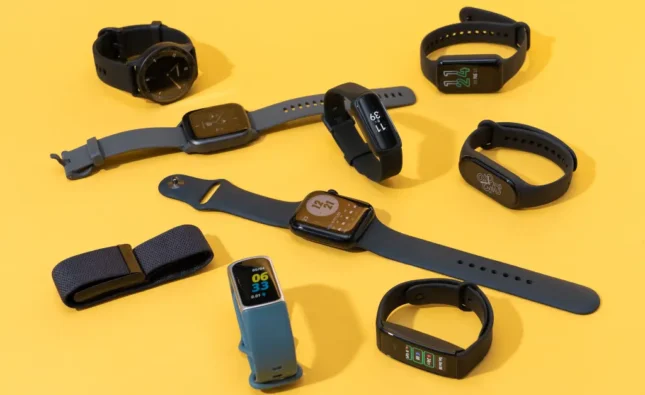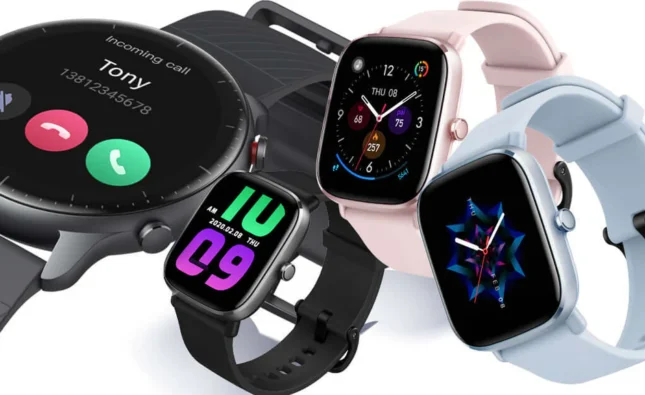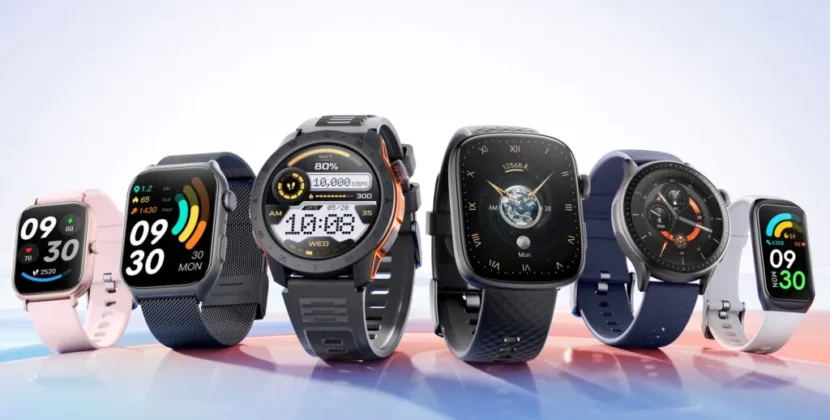


Smartwatches have quickly become more than just trendy tech accessories. In 2025, they’re powerful mini-computers on your wrist—tracking your health, managing your day, enhancing productivity, and even replacing your smartphone in certain moments. But with dozens of models available and each brand promoting different features, choosing the right smartwatch can feel surprisingly confusing. Should you focus on battery life, fitness features, build quality, or connectivity? How do you know which smartwatch genuinely fits your lifestyle?
This detailed guide breaks everything down in the simplest way possible. Whether you’re a fitness enthusiast, a busy professional, a student, or a senior user seeking convenience and safety features, this article will help you confidently pick the perfect smartwatch that matches your daily needs.
Understanding What You Need From a Smartwatch
Before diving into specific features, it’s important to understand what you want your smartwatch to do. Not everyone needs a high-end flagship model, and not every smartwatch is designed for the same type of user. If your main goal is fitness tracking, you’ll want advanced sensors and health tracking features. If you’re a professional who wants a productivity boost, you’ll appreciate strong app support and seamless phone integration. Taking a moment to define your priorities can save you money and ensure you make a choice that actually benefits your everyday life.
Think about your routine: Do you exercise daily? Do you take calls and messages on the go? Do you want fall detection, ECG readings, or sleep monitoring? Asking these questions makes it easier to narrow down your options.
Key Features to Look for in a 2025 Smartwatch
Not all smartwatches offer the same capabilities, which makes understanding essential features critical. One of the most important things to consider is the display. Modern smartwatches typically come with AMOLED screens that offer brighter colors and better sunlight visibility. A high-quality display ensures you can easily view notifications, health stats, and apps without eye strain.
Battery life is another major deciding factor. Some smartwatches last just one day, while others can go up to a week on a single charge. If you’re someone who hates daily charging or travels frequently, prioritize devices with long-lasting batteries or energy-efficient modes. Also pay attention to the charging method—fast charging and wireless charging have become more common in 2025.
Health and fitness tracking remains a top priority for many users. Look for features such as heart-rate monitoring, SpO2 tracking, sleep analysis, ECG functionality, and stress monitoring. Many 2025 models also include advanced fitness algorithms that analyze your daily movement patterns, recovery levels, and workout effectiveness.
Smartwatch Compatibility and Connectivity
It’s not enough for a smartwatch to look good—compatibility matters. Some smartwatches work best with specific devices. For example, Apple Watch pairs exclusively with iPhones, while Wear OS watches work well with both Android and iOS, though Android users may get more features. Samsung’s Galaxy Watches also offer added benefits when paired with Samsung phones.
Connectivity features have expanded dramatically. Beyond Bluetooth, many smartwatches now support Wi-Fi, NFC payments, built-in GPS, LTE versions for standalone calling, and even satellite connectivity in premium models. These features allow you to leave your phone behind during workouts, outdoor adventures, or short errands without missing important calls or alerts.
Design, Comfort, and Durability
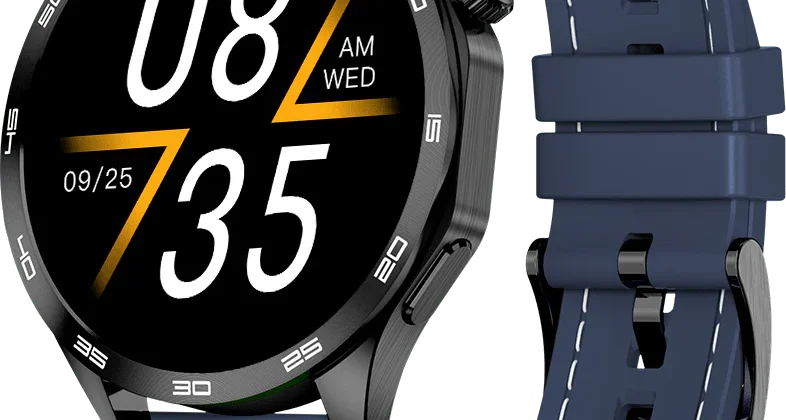
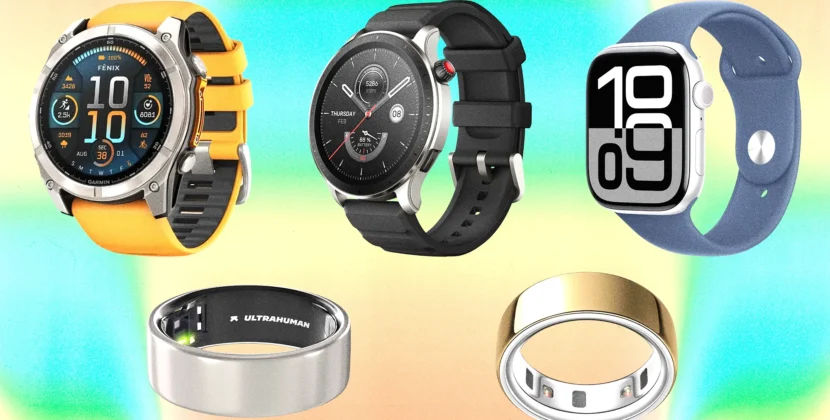
Smartwatches today are as much fashion accessories as they are smart devices. Thankfully, 2025 models come in a wide range of styles, materials, and sizes. You can choose from lightweight aluminum frames, durable stainless steel, or premium titanium. If you prefer a classic watch look, some brands offer circular designs, while others keep the modern rectangular display.
Comfort is crucial, especially if you plan to wear your smartwatch all day. Make sure you select a model with adjustable, skin-friendly straps and a size that fits your wrist well. Durability matters too. Water resistance is essential—most smartwatches today are safe for swimming and showers. Look for at least 5 ATM water resistance or IP68 ratings for extra protection.
Best Smartwatch Categories for Different Users in 2025
Not all smartwatches excel in every area, so identifying the right category can help you make a smart purchase decision.
Best for Fitness Enthusiasts
Fitness-focused smartwatches emphasize accurate tracking, multiple sports modes, and detailed analytics. They should offer reliable GPS, heart-rate accuracy, and strong battery life. These models often appeal to runners, cyclists, swimmers, and gym users.
Best for Professionals
If you’re a working professional, look for a smartwatch with great app support, voice assistant integration, and seamless phone syncing. Features like quick replies, calendar management, tapping to pay, and call handling help streamline your day.
Best for Seniors
Smartwatches for seniors prioritize safety features such as fall detection, emergency SOS functions, heart monitoring, and large, easy-to-read displays. These devices can offer peace of mind for both seniors and their families.
Best Budget-Friendly Options
You don’t have to spend a lot to get a good smartwatch. Many budget models now offer solid battery life, fitness tracking, and smartphone notifications. They may lack advanced sensors but perform well for everyday use.
How to Maintain and Get the Most Out of Your Smartwatch
Your smartwatch can last years if maintained properly. Regular cleaning, avoiding extreme temperatures, and updating software help keep your device functioning smoothly. You can also customize your smartwatch with apps, watch faces, and widgets tailored to your lifestyle. Whether it’s tracking hydration, reminding you to stretch, or playing music during your workouts, smartwatches become more useful when you personalize them.
Maximizing battery life is also essential. Simple habits like lowering screen brightness, disabling unused apps, and switching off always-on display when not needed can significantly extend usage time.
FAQs
1. Are smartwatches worth buying in 2025?
Absolutely. Smartwatches today offer advanced health tracking, productivity tools, GPS navigation, and even standalone calling. They can improve daily routines, fitness levels, and safety.
2. Which smartwatch is best for Android users?
Wear OS devices like the latest Pixel Watch and Samsung Galaxy Watch series offer the best compatibility and full functionality for Android users.
3. Can smartwatches replace smartphones?
Not entirely, but LTE-enabled smartwatches can handle calls, messages, GPS navigation, and music streaming without your phone nearby.
4. How accurate are smartwatch health sensors?
While not a medical device, modern smartwatch sensors are highly accurate for everyday fitness and wellness tracking, especially when worn correctly.
5. What is the ideal battery life for a smartwatch?
A good smartwatch should last at least 1–3 days. Fitness-focused models often last longer, while premium watches may require daily charging due to advanced features.
Conclusion
Smartwatches in 2025 offer the perfect blend of health monitoring, productivity tools, personalization, and convenience. Whether you want to track workouts more accurately, improve your daily efficiency, or stay connected without constantly checking your phone, there’s a smartwatch designed for your lifestyle. By understanding your priorities—battery life, compatibility, design, or advanced features—you can confidently choose a device that enhances your everyday routine and offers long-term value. With the right smartwatch, you’re not just buying a gadget—you’re investing in better health, organization, and convenience.