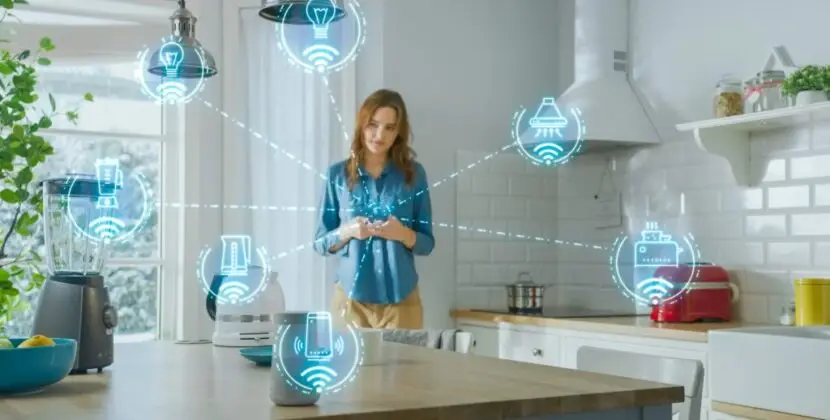



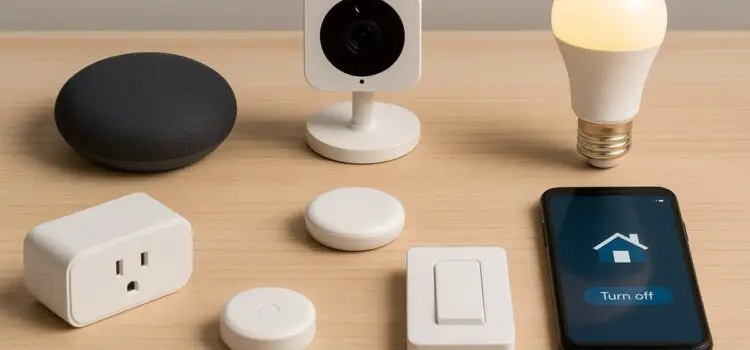
In an age where technology moves fast and prices climb even faster, it’s easy to feel like you need to spend big to get smart gadgets that truly add value. The good news? That’s no longer the case. In 2025 you can find smart devices under modest budgets that deliver real usefulness—without gimmicks. Whether you’re looking to automate your home, upgrade daily routines, or simply enjoy good tech without overspending, the right budget‑friendly smart gadget can make a meaningful difference. Let’s explore how to spot the best ones and which types are worth your money.
What Makes a Smart Gadget Worth the Budget
When you’re shopping on a budget, what actually qualifies a gadget as “worth it”? First, it must solve a real problem—not just look cool. A smart plug that lets you turn off forgotten appliances from your phone, a WiFi camera that lets you check in on your home, or earbuds that deliver decent sound without costing a fortune all count. Second, set‑up and daily use should be easy. You don’t want a device that becomes a frustration. Third, it should be dependable: good build, reliable software, and ideally compatibility with platforms you already have (smartphone, voice assistant, etc.). Many recent reviews show that budget gadgets—smart plugs for example—now deliver strong performance without premium price tags. So you don’t need to break the bank to get smart features that work.
Affordable Smart Home Devices You Can Trust
Let’s dive into some categories where budget smart gadgets shine, and why they truly “work” in everyday life.
Smart Plugs That Make Existing Devices Smarter
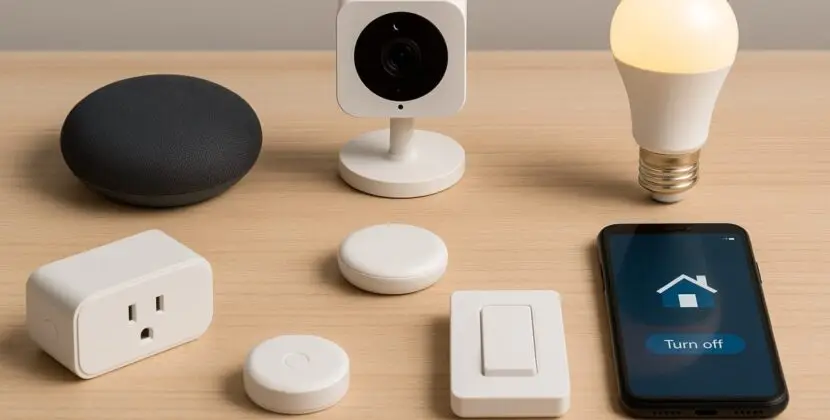
Start with the simplest upgrade: a smart plug. Plug it into a wall socket and suddenly your lamp, coffee maker or fan can be controlled from your phone or voice assistant. Because it uses your existing device, you get smart functionality without replacing gear. One review highlights how smart plugs offer automation and remote control for under $15, delivering clear value. That means you can turn off a heater when you forget, schedule lights, or reduce energy waste—all on a budget.
Smart Lighting and Accessories
Smart light bulbs, strips and accessories offer both convenience and ambiance. Budget options allow you to change color, dim by app or voice, and schedule lighting. A guide to gadgets under $50 shows how effective these can be for small cost upgrades. These gadgets are great for renters, first‑time smart home users, or anyone wanting to modernize a space without a major renovation.
Budget Audio & Wireless Accessories
Smart gadgets aren’t just clamped to the home. Audio devices, wireless earbuds, portable speakers and trackers fall into the budget category and deliver everyday usefulness. From streaming music to managing calls or finding lost items, these accessories improve day‑to‑day life. For example, many lists of best budget gadgets under £20 feature items like Bluetooth speakers and smart plugs that genuinely “work.”
Smart Security & Monitoring on a Budget
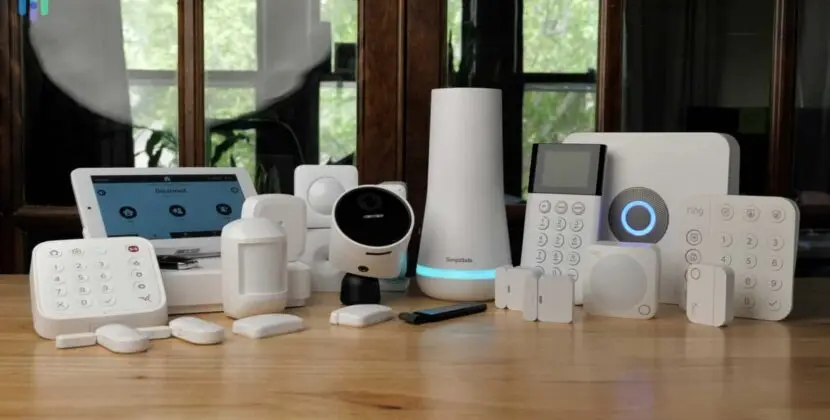
Security used to mean expensive cameras and complex systems. Now you can get reliable WiFi indoor cameras, video doorbells and sensors for modest budgets—some under $50. These devices give you real-time monitoring, alerts and remote access. One recent review notes that even “budget indoor smart cameras are perfect for checking in on pets or the front door” and deliver good value. For first‑time home automation users or renters this is a compelling way to get real functionality.
How to Choose the Right One for You
With many options available, choosing wisely matters. Ask: what problem do I want to solve? Do I want convenience (automation), safety (monitoring), entertainment (audio), or connectivity (smart accessories)? Next, check compatibility with your current system (phone type, voice assistant). Verify the gadget is from a reliable brand with decent reviews—even in budget category reliability varies. Third, pay attention to software updates and ecosystem support: a gadget that stops getting updates may become a liability. Finally, balance features vs cost. The best budget gadget isn’t the one with every feature, but the one that offers useful features you’ll actually use—for a price you’re comfortable with.
What to Expect (and What to Avoid)
When you buy budget smart gadgets, temper expectations. Don’t expect ultra‑premium materials, fastest processors, or extensive ecosystems. Instead expect: good performance for core functionality, perhaps fewer extras and maybe fewer years of support. On the flip side, avoid buying something just because it’s cheap and “smart” if it doesn’t solve a genuine need. Some gadgets may be gimmicky—look for real value and actual use. One article pointed out that there are now “7 smart home gadgets under $50 that actually work” and these succeed because they show clear use‑cases and don’t overpromise.
Frequently Asked Questions (FAQs)
Q 1: Can a gadget under $50 actually deliver reliable smart features?
Yes. Many budget smart gadgets now offer solid performance in core features like remote control, scheduling, alerts or basic automation. The trick is choosing models with good brand reputation and realistic expectations.
Q 2: Is it worth integrating cheap smart devices into a larger ecosystem?
Yes—if they support your existing phone or voice assistant. Most budget smart plugs, lights, and cameras work with common platforms (Alexa, Google, etc.). Just ensure compatibility before purchase.
Q 3: How long will these budget gadgets last?
This depends on the model, brand and usage. Many will last for years if well maintained. However, inexpensive gadgets may have shorter update cycles or fewer features over time. Choose manufacturers known for support.
Q 4: Do I need a smart hub or complicated setup?
Not always. Many budget smart devices are “plug‑and‑play”—they connect directly to WiFi and your app. For many users, this means no hub and minimal setup.
Q 5: How can I avoid budget gadget regrets?
Focus on solving a specific need (I want to turn off my fan remotely), check compatibility, read real‑world reviews, and avoid buying because of hype alone. A modest device doing one job reliably is better than a flashy one doing many poorly.
Conclusion
Smart gadgets don’t have to cost a fortune to deliver real, useful functionality in 2025. With careful selection, you can pick budget‑friendly devices that enhance daily routines, improve convenience, and bring smart tech into your life without overspending. Focus on solving real problems, ensure compatibility with your setup, and choose trusted brands. From smart plugs and lighting to audio accessories and security cameras, these gadgets add value and—most importantly—actually work. A smart home upgrade isn’t about spending more—it’s about spending smarter.