

Here’s a detailed comparison between two of the leading smartwatch lines — the Apple Watch (Series 10/Ultra 2) and the Samsung Galaxy Watch (6/Ultra) — to help you decide which one is the better buy based on your needs, smartphone ecosystem, budget and lifestyle. I’ll walk you through key aspects, highlight strengths and weaknesses, and help you pick which suits you best.
Design & Build Quality
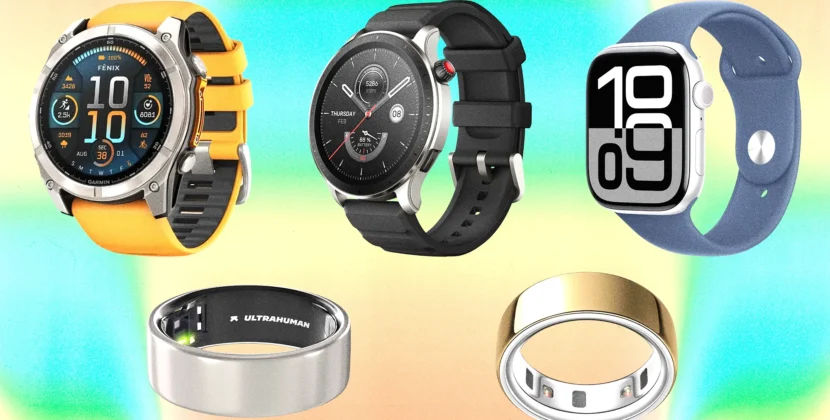
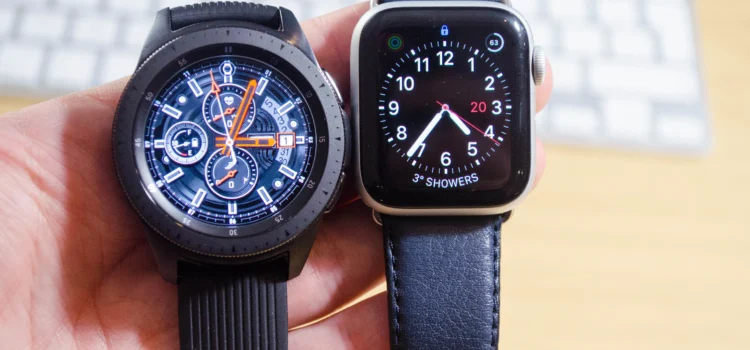
Apple continues with its signature “squircle” (rounded‑square) shape. The Series 10 and Ultra 2 models are sleeker than previous generations, with thinner profiles and premium materials like aluminum, stainless steel and titanium.
Samsung’s Galaxy Watch models stick with a more traditional round face, often offering a rotating bezel (on some models), and a rugged build especially for the Ultra versions.
If you prefer something that looks like a classic watch, the Galaxy Watch’s round shape may appeal more. If you already use other Apple devices and like a modern, tech‑forward look, the Apple Watch fits that aesthetic.
Software, Ecosystem & Compatibility
This is one of the biggest deciding factors. The Apple Watch works exclusively with iPhones. If you have an iPhone and are deeply invested in the Apple ecosystem (iMessage, Apple Music, Mac, iPad), the integration is seamless, polished and very reliable.
On the flip side, the Samsung Galaxy Watch runs on Wear OS with Samsung’s own interface. It is designed primarily for Android phones (especially Samsung phones) and although some features may work with other Android devices, it doesn’t support iPhones in the same way.
Bottom line: If you’re an iPhone user → Apple Watch is almost certainly the better fit. If you use Android (and especially Samsung) → Galaxy Watch gives you much more freedom.
Health & Fitness Tracking
Both watches offer strong health‑tracking features: heart rate monitoring, sleep tracking, blood oxygen (SpO₂) monitoring, ECG capabilities and workout modes. For example, Samsung adds features like body composition tracking and blood pressure monitoring (though sometimes with phone restrictions) that Apple lacks.
Apple, however, tends to deliver more refined software experience and better third‑party app support in its Health ecosystem. If you care deeply about health metrics and want “premium” level health monitoring, the Apple Watch has a slight edge — assuming you’re using iOS.
If you want slightly more “features for the money” especially on the fitness side and aren’t locked into iOS, the Galaxy Watch gives excellent value.
Battery Life & Charging
Battery life is often a pain point. Many Apple Watch models last around 18‑24 hours under typical use, meaning you’ll likely need to charge nightly.
Samsung’s Galaxy Watch models, particularly the Ultra or larger models, tend to stretch into 1.5 to 2 days on a charge (depending on usage) — which means you might get by with less frequent charging.
If battery life is crucial to you (say you track sleep and workouts and don’t want to charge every night), the Galaxy Watch pulls ahead. If you’re okay with nightly charging and value other aspects more, Apple’s shorter battery life might be acceptable.
Price & Value
Price varies by model, size, materials, connectivity (GPS only vs cellular). Generally, Samsung offers more aggressive pricing relative to Apple. According to comparisons, you often pay more for similar features on Apple.
If budget is a big consideration and you want “most features for your money”, Galaxy Watch is attractive. If budget is flexible and the ecosystem/integration matters more, Apple Watch may justify the premium.
What You Should Choose Based on Your Needs
Here’s how to decide based on your personal situation:
- If you use an iPhone and want best‑in‑class integration, seamless experience, top‑tier health features and premium build, go Apple Watch. The tighter the Apple ecosystem in your life (Mac, iPad, iPhone, Apple services), the more you’ll benefit from that choice.
- If you use an Android phone, especially a Samsung phone, or you switch phones often / want compatibility / better value / longer battery life, go Galaxy Watch.
- If battery life matters a lot (tracking overnight sleep, multi‑day use without charging), lean toward Galaxy.
- If you’re less concerned about battery and more about apps, ecosystem services, resale value or long‑term software updates, lean Apple.
- If budget is tight or you want “good enough” rather than “premium best”, Galaxy gives you very strong value.
Frequently Asked Questions (FAQ)
Q: Can I use an Apple Watch with an Android phone?
A: No — the Apple Watch is designed to work exclusively with iPhones. You would lose major functionality (and setup is not supported) if you try to pair it with Android.
Q: If I buy a Galaxy Watch, will it work perfectly with any Android phone?
A: It will function with most Android phones, but for the best experience especially with advanced health features, Samsung phones typically offer deeper integration. Some features may be limited or unavailable on non‑Samsung Android phones.
Q: Which watch holds value better over time?
A: Historically, Apple Watch tends to retain resale value and receive software updates for more years, making it a somewhat better long‑term investment if you plan to use it for many years.
Q: How accurate are the health sensors on each?
A: Both brands use high‑quality sensors and deliver reliable data for general health tracking and fitness. Neither should be considered a replacement for professional medical devices. Accuracy can vary depending on conditions, fit, firmware updates and usage.
Q: Will I regret daily charging if I pick Apple Watch?
A: That depends on your usage and tolerance. If you charge nightly, it’s just part of the routine. If you dislike charging every day or track overnight frequently, you might prefer the longer battery life of the Galaxy Watch.
Conclusion
Both the Apple Watch and Galaxy Watch lines are excellent smartwatches. Your right choice depends largely on which phone you use, which features you prioritise, how much you’re willing to charge, and how much budget you have. If you’re on iPhone and want seamless experience and premium build, pick Apple. If you’re on Android (or want more flexibility/battery for your money), pick Samsung. By aligning your smartwatch choice to your daily habits, smartphone ecosystem and lifestyle, you’ll end up with a wearable that genuinely supports you rather than one you compromise with.