



Technology has transformed the way we live, and smart home devices are at the forefront of this revolution. From controlling lights and appliances with a simple voice command to enhancing home security and energy efficiency, these devices make everyday life more convenient and enjoyable. In 2025, smart home technology has become more accessible, affordable, and easy to use, allowing homeowners of all ages to benefit from connected living. This article explores how smart home devices can simplify daily routines, improve comfort, and even save money, while highlighting practical tips to make the most of your smart home setup.
The Convenience of Automation
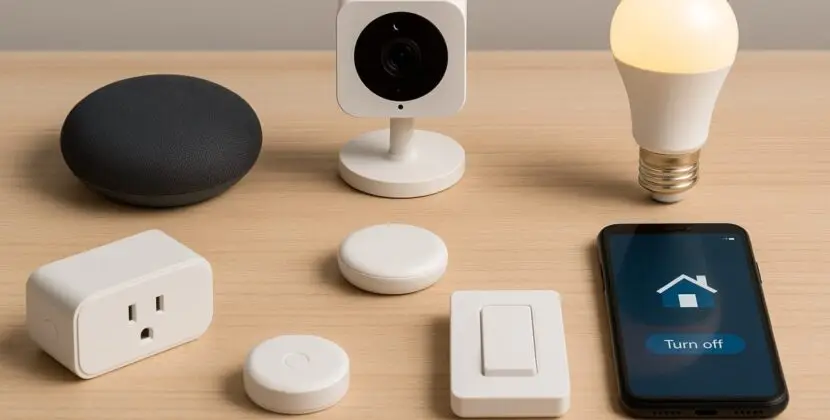
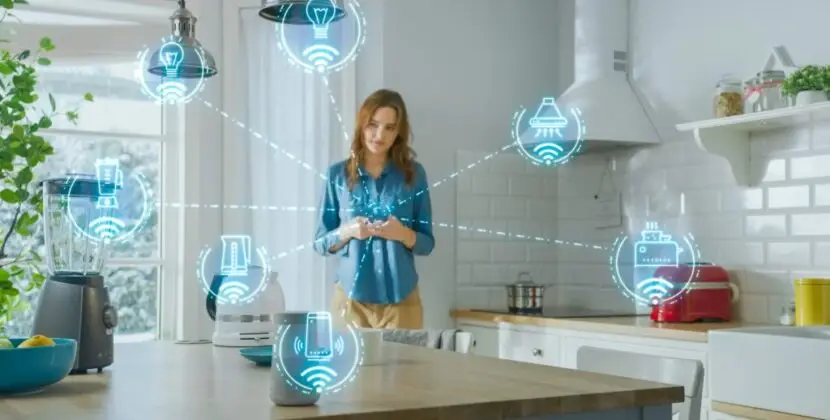
One of the most significant benefits of smart home devices is automation. Smart lights, thermostats, and plugs allow you to schedule daily routines or control appliances remotely using a smartphone or voice assistant. For example, you can set your coffee maker to brew automatically in the morning, schedule lights to turn on before you arrive home, or adjust your thermostat based on your daily schedule. This level of automation not only saves time but also ensures that your home operates efficiently, making everyday tasks effortless. By integrating multiple devices into a connected ecosystem, you can create a seamless experience that responds to your lifestyle automatically.
Enhancing Home Security
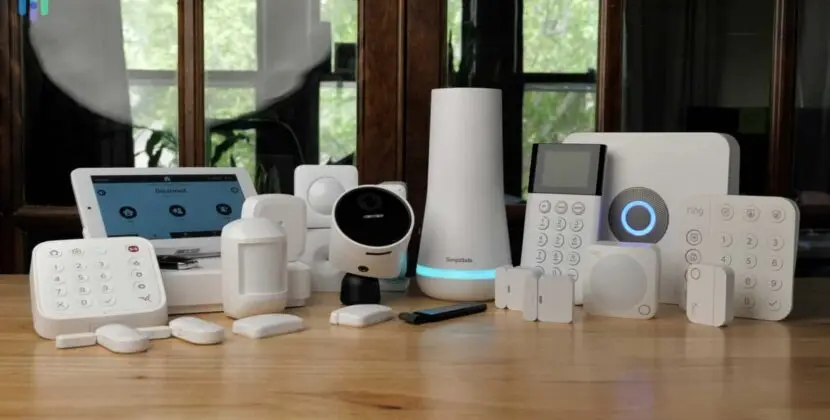
Smart home devices can significantly improve home safety and security. Smart cameras, doorbells, and locks allow you to monitor your property in real time, even when you’re away. Motion detection, instant notifications, and two-way communication features give homeowners peace of mind and help prevent theft or unauthorized entry. Some devices even integrate with security systems to automatically alert authorities in case of emergencies. For seniors or families with young children, smart home security provides an extra layer of protection while allowing users to maintain independence. The ability to monitor and control your home remotely adds convenience without compromising safety.
Energy Efficiency and Cost Savings
Smart home devices also contribute to energy efficiency and reduced utility bills. Smart thermostats learn your habits and adjust heating or cooling automatically, ensuring your home is comfortable without wasting energy. Smart lighting systems can be programmed to turn off when rooms are empty, and smart plugs can prevent appliances from drawing power unnecessarily. These devices not only reduce energy consumption but also help homeowners save money over time. Additionally, many smart home platforms provide detailed energy reports, allowing users to identify areas where they can improve efficiency. Investing in smart devices is both environmentally friendly and cost-effective.
Improving Comfort and Lifestyle
Smart home devices enhance daily comfort and overall quality of life. Voice-controlled assistants like Amazon Echo or Google Nest Hub allow you to play music, check the weather, set reminders, or even control other smart devices with simple commands. Smart speakers can also help seniors and busy households manage routines without needing to navigate complex technology. From adjusting room temperature to dimming lights for a relaxing evening, these devices create a more comfortable living environment. By simplifying mundane tasks, smart home technology allows homeowners to focus on activities that matter most, enhancing both convenience and lifestyle.
Supporting Health and Wellness
In addition to convenience and security, smart home devices can support health and wellness. Smart air purifiers monitor indoor air quality and remove allergens, dust, and pollutants, creating a healthier environment. Some smart lighting systems simulate natural daylight, which can improve sleep patterns and mood. Even smart speakers can provide guided meditation, exercise instructions, or reminders for taking medications. For seniors or individuals with chronic conditions, these features provide practical ways to maintain health and wellness without relying on constant supervision. Integrating smart devices into your daily routine encourages a proactive approach to well-being.
Tips for Setting Up a Smart Home
Creating a smart home that truly simplifies your life requires careful planning. Start by identifying which tasks or areas of your home could benefit from automation. Choose devices that are compatible with your smartphone or preferred voice assistant, and consider systems that can integrate multiple devices into a single platform. Position smart cameras and sensors strategically for optimal coverage, and ensure your Wi-Fi network is strong enough to support connected devices. Start small with a few essential devices, then expand your setup as you become more comfortable. Regular updates and proper security measures are crucial to ensure devices remain reliable and protected from unauthorized access.
Common Misconceptions About Smart Home Devices
Many people assume that smart home technology is complicated or expensive, but in 2025, devices are more user-friendly and affordable than ever. Setup processes are streamlined, and intuitive apps make managing devices simple. Another misconception is that smart home devices are only for tech enthusiasts, but anyone can benefit from their convenience, security, and energy-saving features. Understanding the practical advantages of smart home technology can help users embrace these tools without hesitation. With careful selection and proper guidance, even beginners can enjoy the full potential of a smart home.
Frequently Asked Questions (FAQs)
Q1: Are smart home devices difficult to install?
Most devices in 2025 are designed for easy installation, often requiring just a smartphone app and Wi-Fi connection. Many come with step-by-step instructions and customer support to help users set them up quickly.
Q2: Can smart home devices save money on utility bills?
Yes, devices like smart thermostats, lighting systems, and plugs optimize energy use and reduce unnecessary consumption, which can significantly lower electricity and heating costs over time.
Q3: Are smart home devices safe for seniors?
Absolutely. Smart home technology can enhance safety through monitoring, alerts, and automated routines, helping seniors maintain independence while staying secure.
Q4: Do smart devices work without internet?
Some features may still function locally, such as manual control via buttons, but most advanced automation and remote monitoring require an internet connection.
Q5: How do I protect my smart home devices from hacking?
Use strong passwords, enable two-factor authentication, regularly update software, and choose devices from reputable manufacturers to minimize security risks.
Conclusion
Smart home devices in 2025 offer a range of benefits, from convenience and comfort to safety and energy efficiency. By automating everyday tasks, enhancing home security, and supporting health and wellness, these devices make modern living simpler and more enjoyable. Whether you are a busy professional, a parent, or a senior looking to maintain independence, a thoughtfully designed smart home can save time, reduce stress, and improve quality of life. By understanding features, planning your setup, and choosing compatible devices, anyone can create a home that works smarter, leaving more time to focus on what truly matters.