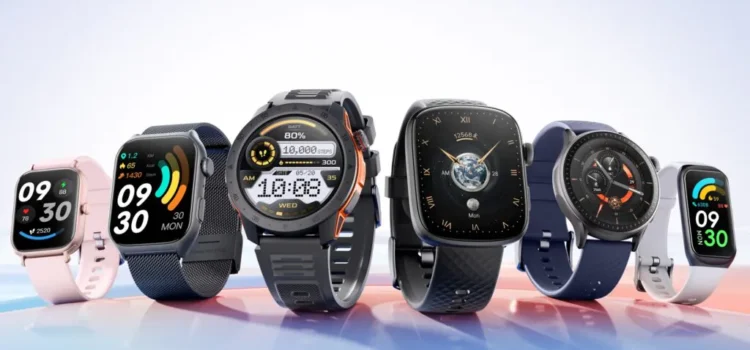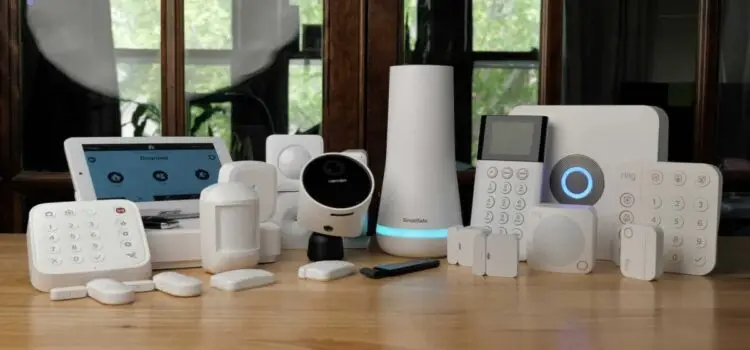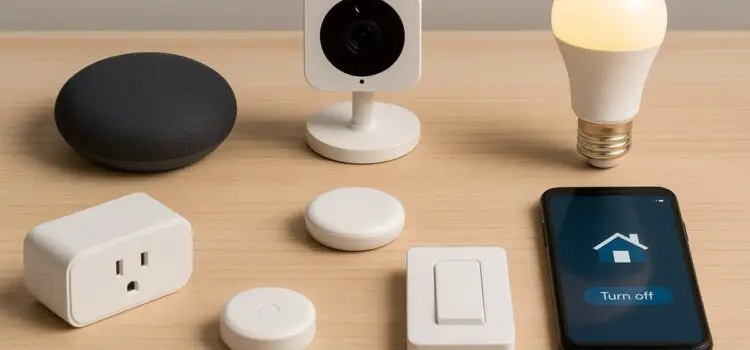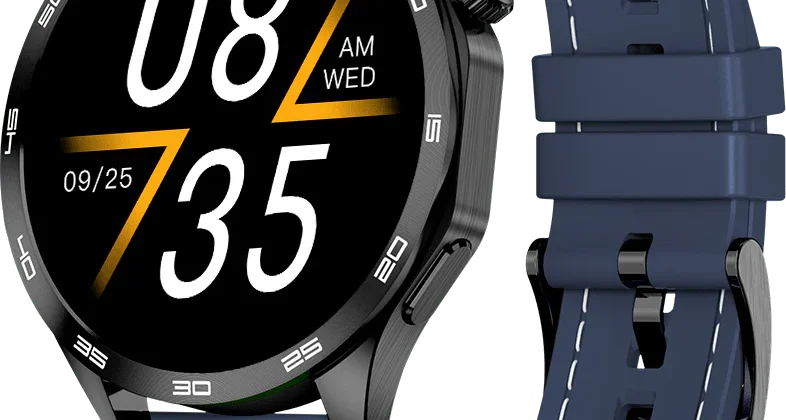
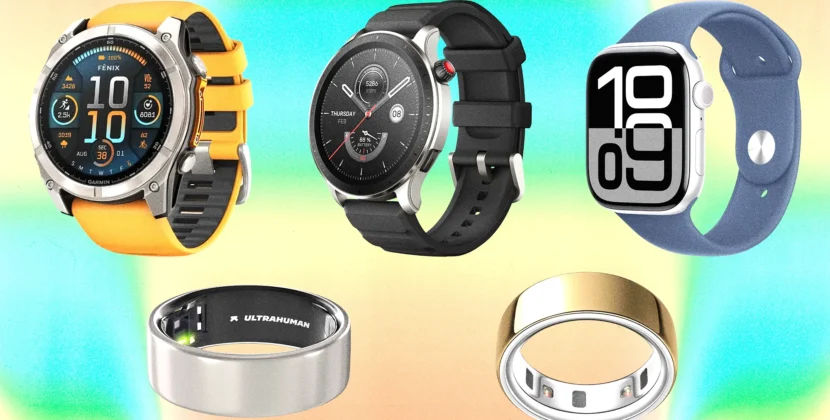


Smartwatches have quickly become more than just trendy tech accessories. In 2025, they’re powerful mini-computers on your wrist—tracking your health, managing your day, enhancing productivity, and even replacing your smartphone in certain moments. But with dozens of models available and each brand promoting different features, choosing the right smartwatch can feel surprisingly confusing. Should you focus on battery life, fitness features, build quality, or connectivity? How do you know which smartwatch genuinely fits your lifestyle?

This detailed guide breaks everything down in the simplest way possible. Whether you’re a fitness enthusiast, a busy professional, a student, or a senior user seeking convenience and safety features, this article will help you confidently pick the perfect smartwatch that matches your daily needs.


Understanding What You Need From a Smartwatch

Before diving into specific features, it’s important to understand what you want your smartwatch to do. Not everyone needs a high-end flagship model, and not every smartwatch is designed for the same type of user. If your main goal is fitness tracking, you’ll want advanced sensors and health tracking features. If you’re a professional who wants a productivity boost, you’ll appreciate strong app support and seamless phone integration. Taking a moment to define your priorities can save you money and ensure you make a choice that actually benefits your everyday life.

Think about your routine: Do you exercise daily? Do you take calls and messages on the go? Do you want fall detection, ECG readings, or sleep monitoring? Asking these questions makes it easier to narrow down your options.


Key Features to Look for in a 2025 Smartwatch

Not all smartwatches offer the same capabilities, which makes understanding essential features critical. One of the most important things to consider is the display. Modern smartwatches typically come with AMOLED screens that offer brighter colors and better sunlight visibility. A high-quality display ensures you can easily view notifications, health stats, and apps without eye strain.

Battery life is another major deciding factor. Some smartwatches last just one day, while others can go up to a week on a single charge. If you’re someone who hates daily charging or travels frequently, prioritize devices with long-lasting batteries or energy-efficient modes. Also pay attention to the charging method—fast charging and wireless charging have become more common in 2025.

Health and fitness tracking remains a top priority for many users. Look for features such as heart-rate monitoring, SpO2 tracking, sleep analysis, ECG functionality, and stress monitoring. Many 2025 models also include advanced fitness algorithms that analyze your daily movement patterns, recovery levels, and workout effectiveness.


Smartwatch Compatibility and Connectivity

It’s not enough for a smartwatch to look good—compatibility matters. Some smartwatches work best with specific devices. For example, Apple Watch pairs exclusively with iPhones, while Wear OS watches work well with both Android and iOS, though Android users may get more features. Samsung’s Galaxy Watches also offer added benefits when paired with Samsung phones.

Connectivity features have expanded dramatically. Beyond Bluetooth, many smartwatches now support Wi-Fi, NFC payments, built-in GPS, LTE versions for standalone calling, and even satellite connectivity in premium models. These features allow you to leave your phone behind during workouts, outdoor adventures, or short errands without missing important calls or alerts.


Design, Comfort, and Durability

Smartwatches today are as much fashion accessories as they are smart devices. Thankfully, 2025 models come in a wide range of styles, materials, and sizes. You can choose from lightweight aluminum frames, durable stainless steel, or premium titanium. If you prefer a classic watch look, some brands offer circular designs, while others keep the modern rectangular display.

Comfort is crucial, especially if you plan to wear your smartwatch all day. Make sure you select a model with adjustable, skin-friendly straps and a size that fits your wrist well. Durability matters too. Water resistance is essential—most smartwatches today are safe for swimming and showers. Look for at least 5 ATM water resistance or IP68 ratings for extra protection.


Best Smartwatch Categories for Different Users in 2025

Not all smartwatches excel in every area, so identifying the right category can help you make a smart purchase decision.

Best for Fitness Enthusiasts

Fitness-focused smartwatches emphasize accurate tracking, multiple sports modes, and detailed analytics. They should offer reliable GPS, heart-rate accuracy, and strong battery life. These models often appeal to runners, cyclists, swimmers, and gym users.

Best for Professionals

If you’re a working professional, look for a smartwatch with great app support, voice assistant integration, and seamless phone syncing. Features like quick replies, calendar management, tapping to pay, and call handling help streamline your day.

Best for Seniors

Smartwatches for seniors prioritize safety features such as fall detection, emergency SOS functions, heart monitoring, and large, easy-to-read displays. These devices can offer peace of mind for both seniors and their families.

Best Budget-Friendly Options

You don’t have to spend a lot to get a good smartwatch. Many budget models now offer solid battery life, fitness tracking, and smartphone notifications. They may lack advanced sensors but perform well for everyday use.


How to Maintain and Get the Most Out of Your Smartwatch

Your smartwatch can last years if maintained properly. Regular cleaning, avoiding extreme temperatures, and updating software help keep your device functioning smoothly. You can also customize your smartwatch with apps, watch faces, and widgets tailored to your lifestyle. Whether it’s tracking hydration, reminding you to stretch, or playing music during your workouts, smartwatches become more useful when you personalize them.

Maximizing battery life is also essential. Simple habits like lowering screen brightness, disabling unused apps, and switching off always-on display when not needed can significantly extend usage time.


FAQs

1. Are smartwatches worth buying in 2025?

Absolutely. Smartwatches today offer advanced health tracking, productivity tools, GPS navigation, and even standalone calling. They can improve daily routines, fitness levels, and safety.

2. Which smartwatch is best for Android users?

Wear OS devices like the latest Pixel Watch and Samsung Galaxy Watch series offer the best compatibility and full functionality for Android users.

3. Can smartwatches replace smartphones?

Not entirely, but LTE-enabled smartwatches can handle calls, messages, GPS navigation, and music streaming without your phone nearby.

4. How accurate are smartwatch health sensors?

While not a medical device, modern smartwatch sensors are highly accurate for everyday fitness and wellness tracking, especially when worn correctly.

5. What is the ideal battery life for a smartwatch?

A good smartwatch should last at least 1–3 days. Fitness-focused models often last longer, while premium watches may require daily charging due to advanced features.


Conclusion

Smartwatches in 2025 offer the perfect blend of health monitoring, productivity tools, personalization, and convenience. Whether you want to track workouts more accurately, improve your daily efficiency, or stay connected without constantly checking your phone, there’s a smartwatch designed for your lifestyle. By understanding your priorities—battery life, compatibility, design, or advanced features—you can confidently choose a device that enhances your everyday routine and offers long-term value. With the right smartwatch, you’re not just buying a gadget—you’re investing in better health, organization, and convenience.
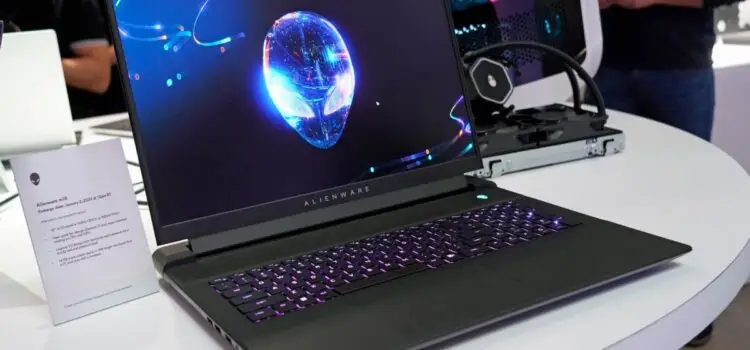

Choosing the right gaming laptop in 2025 can feel overwhelming. With dozens of new models, advanced processors, and next-level graphics cards, gamers often wonder which machine truly delivers the best combination of speed, display quality, cooling, and battery life. The good news? Whether you’re a competitive esports player or someone who enjoys high-end AAA titles on the go, today’s gaming laptops are more powerful, efficient, and future-proof than ever. This guide breaks down the top 10 gaming laptops of 2025, focusing on real-world performance, value for money, and features that genuinely matter to gamers.


1. Alienware X17 R4

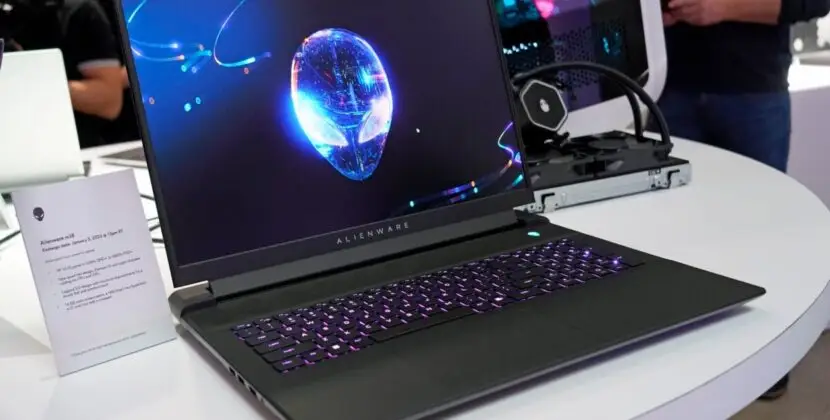
The Alienware X17 R4 remains a favorite among gamers who want both performance and aesthetics. Powered by the latest Intel Core i9 processor and NVIDIA RTX 5090 GPU, it handles demanding titles with ease. Its 17-inch QHD display with 240Hz refresh rate ensures buttery-smooth gameplay, while its advanced cooling system keeps temperatures stable even during long gaming sessions. Although it’s slightly heavier than competitors, it’s perfect for users who prioritize power.


2. ASUS ROG Zephyrus G16 2025 Edition

ASUS continues to refine the Zephyrus series, and the 2025 G16 edition is its best yet. Featuring AMD’s Ryzen 9000 series and RTX 5080 graphics, it offers exceptional performance without compromising on battery life. Its lightweight design and vibrant OLED display make it a strong choice for gamers who also use their laptops for productivity or content creation. Its intelligent cooling automatically adjusts fan speeds, keeping noise levels low.


3. MSI Raider GE78 HX

The MSI Raider GE78 HX stands out with its blend of build quality, power, and premium display. The Mini LED display is stunning for gaming, offering deep blacks and vivid colors. The combination of Intel’s hybrid processors and NVIDIA’s latest GPUs ensures ultra-fast rendering in demanding games. It’s a great option for users who want a laptop that performs well out of the box with minimal tuning.


4. Razer Blade 16 (2025 Model)

The Razer Blade 16 continues its reputation as one of the most stylish and portable gaming laptops. Its CNC-milled chassis, bright display options, and top-tier hardware make it one of the best-balanced choices on this list. The 2025 model improves battery efficiency significantly, making it more reliable for everyday use. It’s especially appealing to users who want a mix of gaming and professional performance.


5. Lenovo Legion Pro 7i Gen 10

Lenovo’s Legion lineup has always delivered incredible value, and the Pro 7i Gen 10 is no exception. With its high-refresh-rate 16-inch display and impressive thermals, it offers excellent performance without the premium price tag. Games run smoothly even at maximum settings thanks to its RTX 5070 GPU and advanced AI-powered optimizations. It also offers one of the most comfortable keyboards in the gaming laptop segment.


6. HP Omen 18 (2025 Edition)

The HP Omen 18 is built for gamers who want a massive display and desktop-like performance. The huge 18-inch screen makes immersive gaming more enjoyable, especially for open-world and FPS games. Its cooling system has been completely redesigned for 2025, producing better airflow and quieter operation. If you prefer larger laptops with plenty of ports, this is a standout choice.


7. Acer Predator Helios Neo 17

Acer’s Predator Helios Neo 17 focuses on great performance at a more affordable price point. It includes a powerful Intel i7 processor, NVIDIA RTX 4060/4070 options, and a 165Hz display. While it may not have the premium build quality of some competitors, it delivers solid value and dependable gaming performance for mid-range buyers. Its upgrade-friendly design also appeals to long-term users.


8. Gigabyte Aorus 17X

The Gigabyte Aorus 17X is a powerhouse designed for competitive players. Its mechanical keyboard, high refresh rate, and customizable RGB lighting give it an edge for esports. Internally, it runs some of the fastest components available, ensuring low latency and excellent performance even in the most demanding multiplayer environments. It’s a fantastic option for gamers who want both speed and customization.


9. Dell G15 2025 Edition

The new Dell G15 is ideal for budget-conscious gamers who still want strong performance. While it doesn’t match ultra-high-end systems, it offers reliable speed, a solid build, and great thermals at an accessible price point. Its RTX 4050 GPU can handle modern titles at medium to high settings comfortably. For beginners or gamers upgrading from older machines, the G15 delivers outstanding value.


10. ASUS TUF A17 (2025 Model)

ASUS’s TUF A17 remains one of the most durable gaming laptops on the market. Designed with military-grade toughness, it’s perfect for gamers who travel often. The 2025 version includes the new AMD Ryzen 9000H series processors and RTX 4060 graphics, providing strong performance for its price range. It also offers impressive battery life for a gaming laptop, making it suitable for students and remote workers.


FAQs

1. Which gaming laptop is best for competitive gaming?

The Gigabyte Aorus 17X is ideal for competitive gamers due to its mechanical keyboard, low latency, and top-tier refresh rates.

2. What is the most portable gaming laptop in 2025?

The Razer Blade 16 is the most portable without sacrificing performance. Its slim design and lightweight build make it easy to carry.

3. Which laptop offers the best value for money?

The Lenovo Legion Pro 7i and Dell G15 provide excellent performance at more affordable prices, making them great choices for most gamers.

4. Are 18-inch gaming laptops worth it?

Yes—if you prioritize immersive gameplay and larger displays. The HP Omen 18 offers an excellent viewing experience but is less portable.

5. What specs should gamers prioritize in 2025?

Look for at least an RTX 4060+, 16GB RAM, a 144Hz+ display, and efficient cooling for optimal gaming performance.


Conclusion

The gaming laptop market in 2025 brings an exciting mix of powerful hardware, energy-efficient processors, and stunning displays. Whether you’re a competitive gamer seeking lightning-fast response times or a casual player who wants great visuals and multitasking capability, there’s a laptop on this list that fits your needs perfectly. By understanding your priorities—performance, portability, display quality, or price—you can confidently choose a machine that will deliver smooth, enjoyable gaming for years to come.

Staying healthy and active has never been more accessible thanks to smart technology. In 2025, a growing range of smart gadgets helps individuals monitor fitness, track health metrics, and stay motivated to achieve their wellness goals. From step counters and heart rate monitors to advanced devices that analyze sleep and provide personalized insights, these gadgets are transforming the way we approach fitness and self-care. This guide explores the top five smart gadgets for fitness and health tracking, highlighting how they can improve daily routines, monitor key health metrics, and make staying active easier than ever.


1. Smartwatches with Advanced Health Features

Smartwatches remain at the forefront of health tracking technology. Beyond telling time, modern smartwatches offer heart rate monitoring, blood oxygen levels, sleep tracking, and even electrocardiogram (ECG) features. Many devices also track workouts, calories burned, and daily activity, providing detailed reports that help users understand their health trends. Integration with smartphones allows you to receive notifications, track progress, and sync data with fitness apps. For anyone seeking a single device that combines convenience, health monitoring, and fitness tracking, a smartwatch is a must-have gadget that keeps your health insights right on your wrist.


2. Fitness Bands and Activity Trackers

Fitness bands are lightweight, affordable alternatives to full-featured smartwatches. Despite their compact size, they deliver essential health and activity metrics, including step counting, heart rate, calorie tracking, and sleep monitoring. Many fitness bands offer long battery life, sometimes lasting up to two weeks on a single charge, and provide easy-to-read displays for quick monitoring. Their simplicity and affordability make them ideal for beginners, seniors, or anyone who wants to track daily activity without investing in a high-end smartwatch. Fitness bands are effective tools to motivate movement, monitor health trends, and maintain consistent activity levels.


3. Smart Scales for Body Composition Analysis

Smart scales have evolved beyond measuring weight. Modern devices now provide detailed body composition data, including body fat percentage, muscle mass, water levels, and BMI. These scales sync with smartphone apps, allowing you to track trends over time and gain a comprehensive understanding of your overall health. By combining scale data with activity trackers or smartwatches, users can achieve a more holistic view of their fitness progress. Smart scales are particularly useful for those focused on weight management, muscle building, or maintaining a balanced and healthy lifestyle, providing actionable insights that inform daily choices.


4. Smart Heart Rate Monitors and Chest Straps

For individuals serious about cardiovascular fitness or monitoring heart health, smart heart rate monitors and chest straps offer accuracy beyond wrist-based devices. These devices provide real-time heart rate tracking during workouts, rest, and sleep, helping users understand exertion levels, optimize training, and detect irregularities. Many smart heart rate monitors sync with fitness apps and other wearables, allowing detailed analysis of workout intensity and recovery patterns. For athletes, fitness enthusiasts, or anyone managing heart-related health conditions, these gadgets deliver precise, reliable data that supports informed decisions and safer workouts.


5. Wearable Sleep Trackers

Sleep plays a crucial role in overall health, and wearable sleep trackers offer valuable insights into sleep quality and patterns. These devices monitor sleep duration, stages (light, deep, REM), and disturbances, often providing personalized recommendations to improve rest. Some advanced wearables combine heart rate monitoring and oxygen levels to detect issues such as sleep apnea. By understanding sleep habits, users can make adjustments to their routine, environment, or lifestyle to optimize rest and recovery. Wearable sleep trackers are essential for anyone seeking to improve energy levels, performance, and long-term health.


Benefits of Using Smart Fitness Gadgets

Smart fitness and health gadgets offer several advantages that extend beyond simple tracking. They provide motivation by setting daily goals and sending reminders to move. By giving real-time feedback and personalized insights, these devices help users make informed choices about exercise, nutrition, and sleep. Many gadgets integrate with apps, allowing you to monitor trends over weeks and months, creating a comprehensive picture of health progress. Additionally, some devices offer social or community features, encouraging friendly competition and accountability, which further motivates consistency and engagement.


Tips for Choosing the Right Fitness Gadget

Choosing the right smart fitness gadget depends on personal goals, lifestyle, and budget. Consider what metrics matter most to you: heart health, sleep, activity levels, or overall wellness. Compatibility with your smartphone or other devices ensures seamless integration. Battery life, comfort, and ease of use are also important—after all, a wearable that feels cumbersome or difficult to operate is less likely to be used consistently. Start with a gadget that addresses your primary goals, then expand to complementary devices as needed. Quality and reliability matter more than brand hype; even affordable gadgets can deliver accurate, actionable data when selected wisely.


Frequently Asked Questions (FAQs)

Q1: Are budget-friendly fitness trackers accurate?
Yes, most mid-range and budget fitness trackers provide reliable data for steps, heart rate, and sleep patterns. While high-end devices may offer slightly more precision, budget gadgets are effective for daily tracking.

Q2: Can smart gadgets replace medical devices?
No, smart fitness gadgets are not a substitute for professional medical devices. They are intended for wellness monitoring and fitness tracking, but they can complement healthcare monitoring when used alongside professional advice.

Q3: How do wearable sleep trackers improve rest?
Wearable sleep trackers provide insights into sleep stages and disturbances. By analyzing patterns, users can adjust bedtime routines, room conditions, or lifestyle habits to enhance sleep quality.

Q4: Do smart scales and trackers sync with each other?
Many modern devices sync with popular fitness apps, allowing integration across smart scales, watches, and trackers. This creates a comprehensive view of health and fitness data in one place.

Q5: How often should I use these gadgets for best results?
Consistency is key. Daily tracking of activity, sleep, and heart rate provides the most meaningful insights and helps users maintain accountability and see long-term trends.


Conclusion

Smart fitness and health gadgets in 2025 offer an effective way to monitor daily activity, track key health metrics, and improve overall well-being. From advanced smartwatches and fitness bands to smart scales, heart rate monitors, and sleep trackers, these devices empower users to make informed choices about exercise, rest, and lifestyle habits. By selecting gadgets that match your goals, integrating them into daily routines, and using their insights effectively, you can enhance motivation, optimize health, and achieve long-term wellness. Investing in the right smart gadget isn’t just about tracking—it’s about taking control of your health and living a more active, informed life.

In today’s fast-paced world, staying organized, productive, and connected is more important than ever. Whether you are a student managing assignments and deadlines or a professional balancing work responsibilities, the right smart gadgets can make a huge difference. In 2025, technology has evolved to offer affordable, practical, and easy-to-use devices that simplify tasks, improve efficiency, and enhance learning or work experiences. From productivity tools to smart wearables, this guide highlights the must-have gadgets that can transform the way students and professionals manage their day-to-day lives.


Smartwatches for Time Management and Health Tracking

Smartwatches have become indispensable for anyone juggling multiple responsibilities. Beyond telling time, they help manage schedules, set reminders, track fitness, and even monitor stress levels. Students can receive class reminders and track activity during long study sessions, while professionals can schedule meetings, monitor deadlines, and receive important notifications without constantly checking their phones. Health features such as heart rate tracking and step counting also encourage movement and stress management, which is essential for maintaining focus and productivity.


Noise-Canceling Headphones for Focus and Concentration

Whether studying in a busy library or working in an open office, distractions can significantly reduce productivity. Noise-canceling headphones help create a quiet environment by blocking unwanted sounds, allowing you to focus on tasks more efficiently. Many modern models also offer smart features, such as touch controls, voice assistants, and integration with music or learning apps. For students, this means uninterrupted study sessions, and for professionals, it enables concentration during work calls or while completing high-priority projects.


Portable Smart Notebooks and Digital Pens

Traditional note-taking has been revolutionized by portable smart notebooks and digital pens. These devices allow you to write or sketch naturally while automatically saving notes to cloud storage or syncing them with apps for easy organization. Students can capture lecture notes digitally, while professionals can quickly record ideas, meetings, or project plans. With features such as handwriting-to-text conversion and annotation tools, smart notebooks combine the tactile feel of writing with the convenience of digital storage, making them a practical choice for anyone who values efficiency and organization.


Smart Planners and Productivity Apps

Smart planners and productivity apps are invaluable tools for staying on top of schedules and deadlines. Many devices now integrate with smartphones or tablets, offering reminders, task management, and collaborative features. Students can organize assignments, exams, and group projects, while professionals can manage meetings, deadlines, and task lists seamlessly. With real-time notifications, analytics, and goal tracking, smart planners enhance accountability and help users develop effective time management strategies, ultimately improving overall performance and efficiency.


Tablets and E-Readers for Learning and Work

Tablets and e-readers have become essential gadgets for both students and professionals. They provide portability, access to digital textbooks, research material, professional documents, and multimedia resources. Many modern tablets support stylus input, note-taking apps, and split-screen multitasking, enabling users to write, read, and work simultaneously. For professionals, tablets can replace bulky laptops for certain tasks, while students can use them for interactive learning and efficient study management. Their versatility and convenience make them indispensable tools in today’s digital environment.


Smart Speakers and Voice Assistants

Voice-controlled smart speakers and assistants, like Amazon Echo or Google Nest Hub, offer hands-free access to information, reminders, and productivity tools. Students can set study timers, ask questions, or play background music to improve focus, while professionals can manage tasks, schedule meetings, or receive news updates instantly. Integration with other smart devices allows automation of lighting, temperature, or notifications, creating a connected and efficient workspace. These gadgets save time, reduce distractions, and enhance productivity for users in both educational and professional settings.


Portable Chargers and Smart Power Solutions

Keeping devices powered is critical for uninterrupted study or work sessions. Portable chargers, power banks, and smart power strips ensure your gadgets remain charged, even on the go. High-capacity portable chargers can support multiple devices simultaneously, while smart power solutions can automatically cut off power to reduce energy consumption. Students attending long lectures or professionals traveling for meetings benefit greatly from reliable charging solutions, ensuring devices remain functional throughout the day.


Frequently Asked Questions (FAQs)

Q1: Are these smart gadgets expensive for students or professionals on a budget?
Not necessarily. Many affordable options provide excellent functionality without breaking the bank. Prioritize devices that address your most important needs first, then expand as necessary.

Q2: Do smartwatches and fitness trackers really help with productivity?
Yes. Beyond health tracking, many devices provide reminders, notifications, and calendar alerts, helping users manage tasks efficiently without constantly checking their phones.

Q3: Can digital notebooks replace traditional notebooks?
Absolutely. Digital notebooks combine the natural feel of handwriting with the convenience of digital storage and organization, making note-taking and idea management much easier.

Q4: How do noise-canceling headphones improve focus?
By reducing background noise and distractions, these headphones help maintain concentration during study sessions, work tasks, or online meetings, improving overall productivity.

Q5: Are smart speakers secure to use in a professional setting?
Yes, but it’s important to follow security guidelines, including password protection, regular updates, and controlling what devices can access sensitive information.


Conclusion

Smart gadgets have become essential tools for students and professionals seeking efficiency, organization, and convenience in 2025. From smartwatches and noise-canceling headphones to tablets, digital notebooks, and smart speakers, these devices streamline daily routines, improve focus, and enhance productivity. Choosing the right combination of gadgets depends on your personal needs, lifestyle, and budget, but even a few well-selected devices can make a significant difference. By leveraging these technologies effectively, students and professionals can stay organized, achieve goals, and maintain a healthy balance between work, study, and personal life.

The world of smart gadgets is evolving faster than ever, and 2025 promises a wave of exciting innovations that will transform how we live, work, and play. From homes and offices to health and fitness, smart technology is becoming increasingly integrated into daily life. With advancements in AI, IoT (Internet of Things), wearable tech, and energy-efficient devices, the next generation of gadgets will be smarter, more intuitive, and more accessible than ever before. Understanding these trends is crucial for anyone looking to stay ahead in technology, whether for personal use or professional advantage.


AI-Powered Gadgets for Smarter Experiences

Artificial intelligence (AI) is the driving force behind many of the smart gadgets emerging in 2025. Devices are becoming capable of learning user behaviors, predicting needs, and offering personalized experiences. Smart assistants can anticipate routines, suggest actions, and even optimize energy usage in homes. AI-enabled appliances like fridges, ovens, and thermostats adapt to your habits, making daily tasks simpler and more efficient. This trend will continue to expand, allowing users to enjoy truly intelligent gadgets that go beyond manual control.


Health and Fitness Gadgets with Advanced Monitoring

Health and wellness remain major focuses for smart gadget development. Wearables and fitness trackers are becoming more sophisticated, tracking not just steps or calories, but also heart health, oxygen levels, sleep quality, and stress indicators. In 2025, gadgets will increasingly use AI and machine learning to provide actionable insights based on your health data. Devices like smart scales, blood pressure monitors, and sleep trackers are expected to integrate seamlessly with apps and telehealth platforms, empowering users to take proactive steps toward their well-being.


Smart Home Devices with Greater Connectivity

Smart homes are getting smarter. The Internet of Things is connecting devices like never before, creating ecosystems that communicate seamlessly. Lighting, heating, security cameras, and even kitchen appliances can now work together intelligently. For example, your smart thermostat can adjust temperature based on occupancy detected by sensors, while lights and alarms coordinate with motion detectors. The trend in 2025 is toward more cohesive, integrated systems that reduce energy consumption, increase convenience, and enhance home security.


Wearable Technology Beyond Watches

While smartwatches remain popular, wearable tech is expanding into clothing, accessories, and even health patches. These devices can monitor biometrics, provide haptic feedback, or serve as extensions of smartphones and AI assistants. In professional and educational settings, wearables may help monitor productivity, posture, or engagement, offering new ways to improve performance. This diversification in wearable gadgets represents a growing trend toward invisible, yet highly functional technology that fits naturally into everyday life.


Eco-Friendly and Energy-Efficient Gadgets

Sustainability is a key consideration for future smart gadgets. In 2025, more devices will focus on energy efficiency, reduced carbon footprint, and eco-friendly materials. Solar-powered chargers, smart appliances that adjust power usage, and gadgets designed for longer lifespans are becoming more common. Consumers increasingly prioritize eco-conscious products, and manufacturers are responding with innovations that blend functionality with environmental responsibility, making smart living greener and more affordable.


Portable and Flexible Gadgets

Portability and flexibility are shaping the next wave of smart gadgets. Compact, lightweight devices that can be used at home, at work, or on the go are gaining popularity. Examples include foldable tablets, mini projectors, portable health monitors, and wireless audio devices. The trend is toward gadgets that are versatile, adaptable, and easy to carry, meeting the needs of modern, mobile lifestyles without sacrificing performance or functionality.


Enhanced Security and Privacy Features

As smart gadgets become more connected, security and privacy are critical. In 2025, expect devices with stronger encryption, biometric access controls, and enhanced authentication protocols. Manufacturers are also emphasizing transparent data policies and user control over personal information. This trend ensures that while technology becomes more integrated and capable, users can enjoy smart living without compromising privacy or safety.


Frequently Asked Questions (FAQs)

Q1: Which smart gadgets will dominate 2025?
AI-powered devices, wearable health monitors, integrated smart home systems, and eco-friendly gadgets are expected to dominate the market in 2025, providing convenience, personalization, and sustainability.

Q2: Are smart gadgets safe for personal data?
Yes, as long as devices have updated security features, strong passwords, and biometric authentication. Many manufacturers are improving privacy controls to protect user information.

Q3: Will AI replace manual controls in smart gadgets?
AI is designed to assist and enhance usability, not replace manual controls entirely. Most gadgets will continue to offer traditional control options alongside intelligent automation.

Q4: How will wearable technology evolve in the near future?
Wearables will move beyond watches to clothing, accessories, and medical patches, providing continuous health tracking, productivity insights, and seamless integration with smart ecosystems.

Q5: Can smart gadgets help reduce energy bills?
Absolutely. Smart thermostats, lighting, and appliances can optimize energy use, detect inefficiencies, and suggest adjustments, ultimately reducing energy consumption and costs.


Conclusion

The future of smart gadgets in 2025 is bright, innovative, and full of possibilities. From AI-powered devices and advanced health trackers to integrated smart homes and eco-friendly solutions, these trends are transforming daily life. Smart gadgets are no longer just a luxury—they are practical tools that improve convenience, productivity, and overall well-being. By staying informed about emerging trends and selecting devices that align with personal and professional needs, users can embrace the future of technology, making life smarter, safer, and more efficient than ever before.

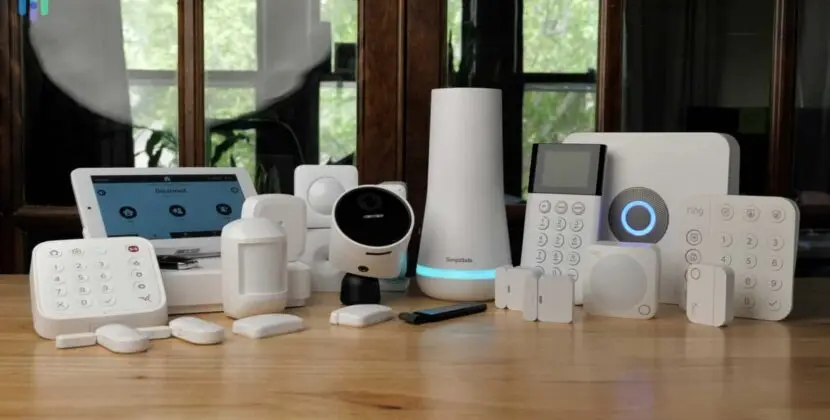
Home security is more important than ever, and modern technology has made protecting your home easier and more effective. Smart security devices—from cameras and doorbells to motion sensors and smart locks—allow homeowners to monitor their property, receive alerts, and even take action remotely. In 2025, these devices are not only more affordable but also user-friendly, making it simple for anyone to create a safer living environment. This guide explains how to set up smart security devices at home and use them effectively, offering tips to maximize protection and convenience.


Understanding Smart Security Devices

Smart security devices are tools that connect to your home network, enabling remote monitoring and control. They include indoor and outdoor cameras, video doorbells, motion detectors, smart locks, and alarm systems. Most devices are compatible with smartphones or voice assistants, allowing you to receive instant alerts, view live footage, or lock and unlock doors from anywhere. Unlike traditional security systems, smart devices offer flexibility and customization, so you can monitor your home in real-time, even when you are away. Understanding how these devices work and what features are essential helps you choose the right setup for your home.


Choosing the Right Smart Security Devices

Selecting the right devices starts with assessing your home’s security needs. For example, a video doorbell is excellent for monitoring entrances, while indoor cameras help keep an eye on valuables or pets. Motion sensors provide alerts if someone enters specific areas, and smart locks let you control access without physical keys. When choosing devices, consider factors such as compatibility with your smartphone or home assistant, ease of installation, storage options for video footage, and battery life. High-quality devices with strong customer support can save you frustration and ensure reliability over time.


Setting Up Smart Security Devices

The setup process for smart security devices is typically straightforward. Start by reading the manufacturer’s instructions carefully and ensure your Wi-Fi network is strong and secure. For cameras and doorbells, position them to cover key entry points or vulnerable areas. Indoor cameras should avoid direct sunlight or glare to maintain image clarity. Motion sensors and alarms should be placed in high-traffic zones without causing false triggers. After physically installing the devices, download the corresponding app on your smartphone, connect each device to your Wi-Fi network, and follow the app’s setup process. Make sure to update the device firmware to the latest version for security and functionality.


Integrating Devices for Maximum Security

To get the most from smart security devices, integration is key. Many devices allow you to create automation rules—for example, turning on lights when motion is detected or sending alerts to multiple family members simultaneously. Integration with voice assistants like Amazon Alexa or Google Assistant can add hands-free control and quick status checks. Cloud storage or local storage options let you review past events, which is especially useful for tracking suspicious activity. By combining cameras, sensors, and smart locks, you create a comprehensive system that enhances safety and gives you peace of mind.


Using Smart Security Devices Effectively

Once your devices are set up, using them effectively is essential. Regularly check live feeds and review recordings to ensure everything functions properly. Set alert preferences in your app so you receive notifications for relevant events, avoiding excessive or irrelevant alarms. Test sensors and alarms periodically to confirm proper operation. If your devices support remote access, ensure your smartphone’s security settings are robust, including strong passwords, two-factor authentication, and app updates. Using your devices strategically—monitoring entrances, key rooms, and outdoor areas—maximizes protection without overwhelming you with unnecessary alerts.


Maintaining Security Devices

Maintenance is crucial for reliable performance. Clean camera lenses and motion sensors to avoid false alerts. Replace batteries promptly in battery-powered devices to prevent downtime. Update device firmware whenever new versions are released to maintain security and add new features. Periodically review and adjust settings as your home’s needs change, especially if you move furniture, renovate, or install additional devices. Proper maintenance ensures your smart security system remains effective and responsive over time.


Common Mistakes to Avoid

Many homeowners make mistakes that reduce the effectiveness of smart security devices. Placing cameras too high or too low can create blind spots, while poor Wi-Fi coverage can lead to dropped connections. Over-relying on notifications without reviewing footage can mean missed events. Avoid using default passwords and failing to update software, which can compromise security. Additionally, buying excessive devices without planning integration may create confusion rather than protection. By avoiding these mistakes, you ensure your system works efficiently and reliably.


Frequently Asked Questions (FAQs)

Q1: Can I install smart security devices myself?
Yes. Most modern devices are designed for easy DIY installation. Manufacturer guides, video tutorials, and customer support make setup simple, even for beginners.

Q2: Do I need professional monitoring for smart security devices?
Not always. Many devices offer self-monitoring through apps, but some premium options provide professional monitoring for a monthly fee. Choose based on your preference and security needs.

Q3: Are smart security devices safe from hacking?
They are generally safe if you follow best practices: use strong passwords, enable two-factor authentication, update firmware regularly, and avoid unsecured Wi-Fi networks.

Q4: Can smart devices replace traditional security systems?
In many cases, yes. Integrated smart devices offer real-time monitoring, alerts, and remote control that rivals traditional systems, though personal preference and property size may influence choice.

Q5: How do I ensure continuous operation during power outages?
Many devices include battery backups or optional UPS systems. Regularly check and maintain batteries to ensure your system remains operational during outages.


Conclusion

Smart security devices provide homeowners with peace of mind, convenience, and real-time control over their property. By understanding different device types, choosing the right setup, and maintaining proper usage, you can create a comprehensive security system that is reliable, effective, and easy to manage. From cameras and doorbells to smart locks and motion sensors, integrating these devices enhances home safety, supports remote monitoring, and makes your life simpler. Setting up and using smart security devices in a strategic and thoughtful manner ensures that your home is protected without overwhelming complexity.

For many students, finding the right laptop feels like a mission-critical decision. It needs to handle lectures, research, projects, video calls, and sometimes entertainment—all without draining your budget or battery. In 2025, the laptop market offers strong student-friendly options: machines that are portable, powerful enough for most tasks, and priced so you don’t end up broke by the end of the semester. This guide will walk through what to look for, why it matters, and which features give you the best value for your money when you’re a student.


What Matters Most for Student Laptops

When you’re selecting a student laptop, several practical factors deserve your attention. First, portability: you’ll likely carry it between classes, libraries, or coffee shops, so something lightweight and with decent battery life is ideal. Second, performance: you don’t need a high-end gaming rig (unless your course demands it), but you do want smooth multitasking, enough RAM, and an SSD that boots fast. Third, durability and reliability: students tend to use their device intensively, so a build that’s reliable and a brand with good support make a difference. Finally, budget-fitness: you want the best you can get without overspending. Many recent student-laptop guides highlight mid-range models under heavy budget constraints that still deliver excellent value.


Budget Picks That Still Deliver

Let’s begin with laptops that won’t drain your bank account but still manage the essential student tasks. These are machines equipped for writing papers, streaming lectures, browsing, and maybe some light photo editing or coding. Brands and models like the Lenovo IdeaPad series or the HP 15s are often recommended in this category. One guide mentions that budget models under PKR 80,000 still offer 8 GB RAM, SSD storage, and full HD displays for students.  The key takeaway: you don’t need to spend premium to get something reliable for daily student use.


Mid-Range Value for More Demanding Needs

If your coursework involves heavier multitasking—say, graphic design, data analysis, or running virtual labs—then stepping up to the mid-range category makes sense. Here you’ll find models with better displays (brighter, higher resolution), faster processors (Intel Core i5 / AMD Ryzen 5 or higher), and maybe longer battery life. Reviews show that models in this tier are “balanced” picks, offering premium features without premium price tags.  When you carry a device all day and want it to last through lectures, study sessions and maybe a movie afterward, this is where the sweet spot often lies.


Premium Options (If Your Budget Allows)

For students in creative fields—video editing, 3D modelling, or heavy programming—premium laptops make more sense. These come with high-end processors, larger storage, top-quality displays and build materials. For example, the Apple MacBook Air (M3/M4) is frequently cited for its performance and portability.  But if your major doesn’t demand it, choosing something more moderate and saving the rest of your budget might be a smarter move.


Key Features to Check

When you’re standing in the laptop aisle (or browsing online) it helps to have a checklist. Look for at least 8 GB RAM (or 16 GB if multitasking heavily), SSD storage (256 GB or more), full HD (1920×1080) display, and a weight under about 1.7 kg if you’re moving around. Also check battery life – you’ll want something that lasts through lectures or library study sessions. One Reddit contributor said:

“Even on a budget, prioritise processor, RAM and build quality rather than flashy extras.”  
Additionally, make sure the laptop’s build and keyboard are comfortable (you’ll type a lot), and that brand support is available where you live.


Choosing Based on Your Major or Use-Case

Your choice may also depend on your field of study. If you’re in arts or design, you might benefit from a laptop with a touch screen or 2-in-1 functionality. If you’re in STEM, you may need stronger CPU/GPU and more RAM. If your work is mostly essays, browsing and streaming, a modest model works fine. One guide for students noted: for casual use, devices like the Lenovo V15 with FHD display and 8 GB RAM are solid.  Understanding what you’ll do regularly helps avoid overpaying for features you’ll rarely use.


Frequently Asked Questions (FAQs)

Q1: How much RAM and storage do I really need for a student laptop?
For most students, 8 GB RAM and 256 GB SSD storage are enough to handle documents, streaming, web browsing and everyday tasks. If you’re doing heavier workloads (image editing, large data sets), choose 16 GB RAM and 512 GB SSD.

Q2: Is it worth spending more for a lightweight premium laptop?
It depends on your mobility and usage. If you carry your laptop every day across a large campus, a lightweight and well-built premium model can save your back and frustration. But if you’re mostly stationary, you might be fine with a slightly heavier mid-range device.

Q3: Should students buy Chromebooks instead of Windows or macOS laptops?
Chromebooks can be great for web-based work, note-taking and browsing, especially if budget is tight. But if you’ll run Windows or Mac applications (programming tools, creative software) pick a full laptop. Guides show Chromebooks as budget fallback, but not always ideal for all majors.

Q4: How important is battery life for a student laptop?
Very. You’ll want something that lasts through a lecture block or library session without needing to charge. Aim for 8+ hours of real-world battery life, not just “advertised” figures. Models in student guides mention battery life being a major factor.

Q5: Should I buy refurbished to save money?
Yes, refurbished laptops are worth considering—especially for students on a budget—if they come with a warranty, have good condition, and meet the specs you need. Just ensure the seller is reputable and return policy is clear.


Conclusion

Finding the right laptop as a student in 2025 is about balancing performance, portability, budget and durability. Whether you go for a reliable budget model, a mid-range workhorse, or a premium powerhouse, the best laptop is one that fits your real-world needs. Pay attention to RAM, storage, battery life and comfort before getting swept up by extra features. With careful selection, you can get a laptop that genuinely supports your studies—without overspending—and sets you up for success as you move through assignments, research, group projects and beyond.

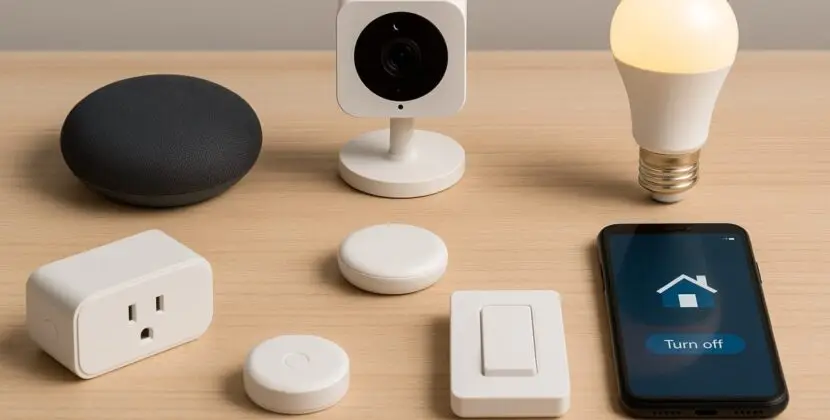
Technology has transformed the way we live, and smart home devices are at the forefront of this revolution. From controlling lights and appliances with a simple voice command to enhancing home security and energy efficiency, these devices make everyday life more convenient and enjoyable. In 2025, smart home technology has become more accessible, affordable, and easy to use, allowing homeowners of all ages to benefit from connected living. This article explores how smart home devices can simplify daily routines, improve comfort, and even save money, while highlighting practical tips to make the most of your smart home setup.


The Convenience of Automation

One of the most significant benefits of smart home devices is automation. Smart lights, thermostats, and plugs allow you to schedule daily routines or control appliances remotely using a smartphone or voice assistant. For example, you can set your coffee maker to brew automatically in the morning, schedule lights to turn on before you arrive home, or adjust your thermostat based on your daily schedule. This level of automation not only saves time but also ensures that your home operates efficiently, making everyday tasks effortless. By integrating multiple devices into a connected ecosystem, you can create a seamless experience that responds to your lifestyle automatically.


Enhancing Home Security

Smart home devices can significantly improve home safety and security. Smart cameras, doorbells, and locks allow you to monitor your property in real time, even when you’re away. Motion detection, instant notifications, and two-way communication features give homeowners peace of mind and help prevent theft or unauthorized entry. Some devices even integrate with security systems to automatically alert authorities in case of emergencies. For seniors or families with young children, smart home security provides an extra layer of protection while allowing users to maintain independence. The ability to monitor and control your home remotely adds convenience without compromising safety.


Energy Efficiency and Cost Savings

Smart home devices also contribute to energy efficiency and reduced utility bills. Smart thermostats learn your habits and adjust heating or cooling automatically, ensuring your home is comfortable without wasting energy. Smart lighting systems can be programmed to turn off when rooms are empty, and smart plugs can prevent appliances from drawing power unnecessarily. These devices not only reduce energy consumption but also help homeowners save money over time. Additionally, many smart home platforms provide detailed energy reports, allowing users to identify areas where they can improve efficiency. Investing in smart devices is both environmentally friendly and cost-effective.


Improving Comfort and Lifestyle

Smart home devices enhance daily comfort and overall quality of life. Voice-controlled assistants like Amazon Echo or Google Nest Hub allow you to play music, check the weather, set reminders, or even control other smart devices with simple commands. Smart speakers can also help seniors and busy households manage routines without needing to navigate complex technology. From adjusting room temperature to dimming lights for a relaxing evening, these devices create a more comfortable living environment. By simplifying mundane tasks, smart home technology allows homeowners to focus on activities that matter most, enhancing both convenience and lifestyle.


Supporting Health and Wellness

In addition to convenience and security, smart home devices can support health and wellness. Smart air purifiers monitor indoor air quality and remove allergens, dust, and pollutants, creating a healthier environment. Some smart lighting systems simulate natural daylight, which can improve sleep patterns and mood. Even smart speakers can provide guided meditation, exercise instructions, or reminders for taking medications. For seniors or individuals with chronic conditions, these features provide practical ways to maintain health and wellness without relying on constant supervision. Integrating smart devices into your daily routine encourages a proactive approach to well-being.


Tips for Setting Up a Smart Home

Creating a smart home that truly simplifies your life requires careful planning. Start by identifying which tasks or areas of your home could benefit from automation. Choose devices that are compatible with your smartphone or preferred voice assistant, and consider systems that can integrate multiple devices into a single platform. Position smart cameras and sensors strategically for optimal coverage, and ensure your Wi-Fi network is strong enough to support connected devices. Start small with a few essential devices, then expand your setup as you become more comfortable. Regular updates and proper security measures are crucial to ensure devices remain reliable and protected from unauthorized access.


Common Misconceptions About Smart Home Devices

Many people assume that smart home technology is complicated or expensive, but in 2025, devices are more user-friendly and affordable than ever. Setup processes are streamlined, and intuitive apps make managing devices simple. Another misconception is that smart home devices are only for tech enthusiasts, but anyone can benefit from their convenience, security, and energy-saving features. Understanding the practical advantages of smart home technology can help users embrace these tools without hesitation. With careful selection and proper guidance, even beginners can enjoy the full potential of a smart home.


Frequently Asked Questions (FAQs)

Q1: Are smart home devices difficult to install?
Most devices in 2025 are designed for easy installation, often requiring just a smartphone app and Wi-Fi connection. Many come with step-by-step instructions and customer support to help users set them up quickly.

Q2: Can smart home devices save money on utility bills?
Yes, devices like smart thermostats, lighting systems, and plugs optimize energy use and reduce unnecessary consumption, which can significantly lower electricity and heating costs over time.

Q3: Are smart home devices safe for seniors?
Absolutely. Smart home technology can enhance safety through monitoring, alerts, and automated routines, helping seniors maintain independence while staying secure.

Q4: Do smart devices work without internet?
Some features may still function locally, such as manual control via buttons, but most advanced automation and remote monitoring require an internet connection.

Q5: How do I protect my smart home devices from hacking?
Use strong passwords, enable two-factor authentication, regularly update software, and choose devices from reputable manufacturers to minimize security risks.


Conclusion

Smart home devices in 2025 offer a range of benefits, from convenience and comfort to safety and energy efficiency. By automating everyday tasks, enhancing home security, and supporting health and wellness, these devices make modern living simpler and more enjoyable. Whether you are a busy professional, a parent, or a senior looking to maintain independence, a thoughtfully designed smart home can save time, reduce stress, and improve quality of life. By understanding features, planning your setup, and choosing compatible devices, anyone can create a home that works smarter, leaving more time to focus on what truly matters.

In an age where technology moves fast and prices climb even faster, it’s easy to feel like you need to spend big to get smart gadgets that truly add value. The good news? That’s no longer the case. In 2025 you can find smart devices under modest budgets that deliver real usefulness—without gimmicks. Whether you’re looking to automate your home, upgrade daily routines, or simply enjoy good tech without overspending, the right budget‑friendly smart gadget can make a meaningful difference. Let’s explore how to spot the best ones and which types are worth your money.


What Makes a Smart Gadget Worth the Budget

When you’re shopping on a budget, what actually qualifies a gadget as “worth it”? First, it must solve a real problem—not just look cool. A smart plug that lets you turn off forgotten appliances from your phone, a WiFi camera that lets you check in on your home, or earbuds that deliver decent sound without costing a fortune all count. Second, set‑up and daily use should be easy. You don’t want a device that becomes a frustration. Third, it should be dependable: good build, reliable software, and ideally compatibility with platforms you already have (smartphone, voice assistant, etc.). Many recent reviews show that budget gadgets—smart plugs for example—now deliver strong performance without premium price tags.  So you don’t need to break the bank to get smart features that work.


Affordable Smart Home Devices You Can Trust

Let’s dive into some categories where budget smart gadgets shine, and why they truly “work” in everyday life.

Smart Plugs That Make Existing Devices Smarter

Start with the simplest upgrade: a smart plug. Plug it into a wall socket and suddenly your lamp, coffee maker or fan can be controlled from your phone or voice assistant. Because it uses your existing device, you get smart functionality without replacing gear. One review highlights how smart plugs offer automation and remote control for under $15, delivering clear value. That means you can turn off a heater when you forget, schedule lights, or reduce energy waste—all on a budget.

Smart Lighting and Accessories

Smart light bulbs, strips and accessories offer both convenience and ambiance. Budget options allow you to change color, dim by app or voice, and schedule lighting. A guide to gadgets under $50 shows how effective these can be for small cost upgrades.  These gadgets are great for renters, first‑time smart home users, or anyone wanting to modernize a space without a major renovation.

Budget Audio & Wireless Accessories

Smart gadgets aren’t just clamped to the home. Audio devices, wireless earbuds, portable speakers and trackers fall into the budget category and deliver everyday usefulness. From streaming music to managing calls or finding lost items, these accessories improve day‑to‑day life. For example, many lists of best budget gadgets under £20 feature items like Bluetooth speakers and smart plugs that genuinely “work.”

Smart Security & Monitoring on a Budget

Security used to mean expensive cameras and complex systems. Now you can get reliable WiFi indoor cameras, video doorbells and sensors for modest budgets—some under $50. These devices give you real-time monitoring, alerts and remote access. One recent review notes that even “budget indoor smart cameras are perfect for checking in on pets or the front door” and deliver good value.  For first‑time home automation users or renters this is a compelling way to get real functionality.


How to Choose the Right One for You

With many options available, choosing wisely matters. Ask: what problem do I want to solve? Do I want convenience (automation), safety (monitoring), entertainment (audio), or connectivity (smart accessories)? Next, check compatibility with your current system (phone type, voice assistant). Verify the gadget is from a reliable brand with decent reviews—even in budget category reliability varies. Third, pay attention to software updates and ecosystem support: a gadget that stops getting updates may become a liability. Finally, balance features vs cost. The best budget gadget isn’t the one with every feature, but the one that offers useful features you’ll actually use—for a price you’re comfortable with.


What to Expect (and What to Avoid)

When you buy budget smart gadgets, temper expectations. Don’t expect ultra‑premium materials, fastest processors, or extensive ecosystems. Instead expect: good performance for core functionality, perhaps fewer extras and maybe fewer years of support. On the flip side, avoid buying something just because it’s cheap and “smart” if it doesn’t solve a genuine need. Some gadgets may be gimmicky—look for real value and actual use. One article pointed out that there are now “7 smart home gadgets under $50 that actually work” and these succeed because they show clear use‑cases and don’t overpromise.


Frequently Asked Questions (FAQs)

Q 1: Can a gadget under $50 actually deliver reliable smart features?
Yes. Many budget smart gadgets now offer solid performance in core features like remote control, scheduling, alerts or basic automation. The trick is choosing models with good brand reputation and realistic expectations.

Q 2: Is it worth integrating cheap smart devices into a larger ecosystem?
Yes—if they support your existing phone or voice assistant. Most budget smart plugs, lights, and cameras work with common platforms (Alexa, Google, etc.). Just ensure compatibility before purchase.

Q 3: How long will these budget gadgets last?
This depends on the model, brand and usage. Many will last for years if well maintained. However, inexpensive gadgets may have shorter update cycles or fewer features over time. Choose manufacturers known for support.

Q 4: Do I need a smart hub or complicated setup?
Not always. Many budget smart devices are “plug‑and‑play”—they connect directly to WiFi and your app. For many users, this means no hub and minimal setup.

Q 5: How can I avoid budget gadget regrets?
Focus on solving a specific need (I want to turn off my fan remotely), check compatibility, read real‑world reviews, and avoid buying because of hype alone. A modest device doing one job reliably is better than a flashy one doing many poorly.


Conclusion

Smart gadgets don’t have to cost a fortune to deliver real, useful functionality in 2025. With careful selection, you can pick budget‑friendly devices that enhance daily routines, improve convenience, and bring smart tech into your life without overspending. Focus on solving real problems, ensure compatibility with your setup, and choose trusted brands. From smart plugs and lighting to audio accessories and security cameras, these gadgets add value and—most importantly—actually work. A smart home upgrade isn’t about spending more—it’s about spending smarter.

The modern kitchen is no longer just a place to cook; it’s becoming a hub of technology, convenience, and efficiency. Smart kitchen gadgets are transforming the way we prepare meals, manage groceries, and even clean up, making everyday cooking more enjoyable and stress-free. In 2025, these devices are more accessible than ever, offering features that save time, improve safety, and bring precision to your culinary creations. This guide explores the top smart kitchen gadgets for modern homes, highlighting their benefits, practical uses, and how they can simplify your life.


Smart Refrigerators: Keeping Food Fresh and Organized

Smart refrigerators are among the most transformative gadgets in the kitchen. They do more than keep food cold; they monitor inventory, suggest recipes, and help reduce food waste. Many models feature touchscreen displays and smartphone apps that allow you to check what’s inside your fridge remotely. Some even provide alerts when items are about to expire or automatically create shopping lists based on what you have. By integrating with your smart home ecosystem, these refrigerators make meal planning easier and help you maintain a well-organized kitchen.


Smart Ovens and Air Fryers: Precision Cooking Made Easy

Smart ovens and air fryers bring consistency and precision to cooking. These devices allow you to preheat, adjust temperature, and set timers through smartphone apps or voice commands. Advanced models include pre-programmed recipes and sensors that monitor cooking progress, ensuring perfectly cooked meals every time. For busy families or individuals who want restaurant-quality results at home, smart ovens and air fryers save time, reduce guesswork, and make it easier to enjoy healthy, delicious meals with minimal effort.


Smart Coffee Makers: Start Your Day Right

A great morning often begins with a perfectly brewed cup of coffee, and smart coffee makers make this simple. These devices allow you to schedule brewing times, adjust strength and temperature, and even control the coffee maker remotely through an app. Some models integrate with voice assistants, so you can start brewing while still in bed. Smart coffee makers provide convenience for busy mornings, ensure consistent quality, and give coffee enthusiasts more control over their daily ritual.


Smart Blenders and Food Processors: Efficiency Meets Innovation

Smart blenders and food processors take meal prep to the next level. Equipped with multiple speed settings, pre-programmed modes, and safety sensors, these devices make blending, chopping, and pureeing effortless. Some smart models connect to apps that guide you through recipes step by step, ensuring precision and consistency. For anyone who enjoys smoothies, soups, or homemade sauces, smart blenders and food processors save time, reduce mistakes, and make cooking more enjoyable.


Smart Scales: Accurate Measurements for Perfect Results

Precision is key in cooking and baking, and smart scales help achieve perfect results every time. These scales connect to apps, providing real-time measurements, nutritional information, and recipe guidance. They are especially helpful for bakers, individuals tracking their diet, or anyone who wants to ensure consistent portion sizes. By integrating with other smart kitchen devices, smart scales streamline cooking processes and make it easier to maintain healthy eating habits.


Smart Sous Vide Devices: Professional Cooking at Home

Sous vide cooking, once reserved for professional chefs, is now accessible to home cooks through smart devices. Smart sous vide machines maintain precise water temperatures for extended periods, ensuring food is cooked evenly and retains flavor. Many devices can be controlled remotely via smartphone apps, allowing you to start cooking before you even enter the kitchen. For those who value gourmet meals with minimal effort, smart sous vide devices offer restaurant-quality results with convenience and consistency.


Smart Dishwashers: Clean Dishes, Minimal Effort

Smart dishwashers simplify one of the least enjoyable kitchen tasks: cleaning up. These devices offer features like remote start, cycle notifications, and energy-efficient settings that adjust water and power usage based on load size. Some models even integrate with voice assistants, allowing hands-free operation. Smart dishwashers save time, conserve resources, and reduce the stress of managing household chores, making kitchen cleanup almost effortless.


Smart Kitchen Assistants: Voice-Controlled Help

Voice-controlled kitchen assistants, such as Amazon Echo Show or Google Nest Hub, are invaluable for modern kitchens. They provide hands-free access to recipes, timers, shopping lists, and even step-by-step cooking instructions. Integration with other smart kitchen devices allows you to control ovens, coffee makers, or lighting with simple commands. These assistants streamline cooking, reduce distractions, and make multitasking in the kitchen easier than ever.


Frequently Asked Questions (FAQs)

Q1: Are smart kitchen gadgets difficult to use?
Most modern smart kitchen gadgets are designed for user-friendliness. Many come with intuitive apps and voice-control features, making setup and daily use simple, even for beginners.

Q2: Can smart kitchen devices save money?
Yes, devices like smart refrigerators, ovens, and dishwashers optimize energy use, reduce food waste, and help with portion control, all of which can lower household costs over time.

Q3: Are smart kitchen gadgets compatible with voice assistants?
Many smart devices in 2025 support integration with popular voice assistants, allowing hands-free operation and central control over multiple appliances.

Q4: Do smart kitchen gadgets really save time?
Absolutely. Automation, remote control, and guided recipes reduce cooking and cleaning time, making meal preparation more efficient and stress-free.

Q5: Is investing in smart kitchen gadgets worth it?
If you want convenience, precision, and efficiency in your kitchen, investing in smart devices is worthwhile. Even a few key gadgets can significantly improve daily cooking routines.


Conclusion

Smart kitchen gadgets in 2025 offer a range of benefits that go beyond convenience. From smart refrigerators and ovens to coffee makers and dishwashers, these devices simplify cooking, improve precision, enhance safety, and save time. By integrating these tools into your modern home, you can enjoy better meal preparation, cleaner spaces, and more efficient energy use. Whether you are a busy professional, a cooking enthusiast, or someone looking to streamline daily routines, smart kitchen devices make life easier, more enjoyable, and more connected than ever. Embracing smart technology in the kitchen is not just a trend—it’s a practical way to improve your lifestyle and bring innovation into everyday living.