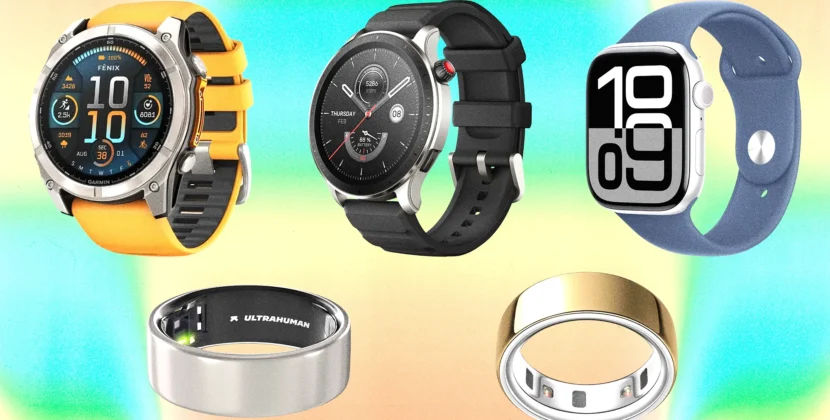


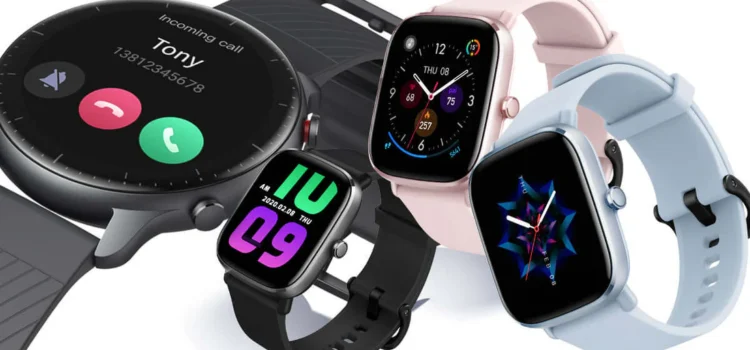
In today’s digital world, a smartwatch is more than just a wrist accessory—it can help you monitor your fitness, stay connected, manage notifications, and even track health metrics. But with so many brands, models and feature sets available, picking the right one can feel overwhelming. This guide is designed to help you focus on what truly matters, align your choice with your lifestyle and smartphone platform, and make a confident purchase that meets your needs and budget.
Understand Your Goal and Lifestyle First
Before browsing product pages or checking specs, it’s important to ask yourself: what do you actually want the smartwatch to do? Are you buying it primarily for fitness tracking and health monitoring, or do you want a wearable that handles notifications, calls, and smart home controls too? Maybe you’ll wear it 24/7 including sleep, or only during workouts. Understanding your personal goal sets a foundation for everything else. For instance, if your main goal is to track runs, monitor heart rate, map routes outdoors and get recovery data, you’ll prioritise different features than someone who only wants to glance at messages and use it as a style accessory. Many reviewers emphasise this “match your goal first” approach as the first step in choosing the right smartwatch.
Check Compatibility with Your Smartphone Ecosystem
Once you know your goal, the next major criteria is compatibility. Your smartwatch must work well with your smartphone’s operating system (OS) to unlock full functionality. For example, some smartwatches are optimised for iPhones while others work better with Android devices; features like replying to messages, making calls, or specialised health integrations may be limited otherwise. If you already own a specific phone brand (say, iPhone or Samsung/Android) it’s wise to pick a smartwatch with known good compatibility with that phone. This prevents frustrating setbacks like certain apps not syncing, features being disabled, or battery draining faster due to incompatibility.
Prioritise Key Features Based on Your Use‑Case
With your goal and compatibility clear, you’ll want to dive into the key features that matter. Here are several critical ones, laid out so you can decide what matters most for you (not just what’s “top brand”).
Battery Life & Charging
A smartwatch that needs to be charged daily might become a burden, especially if you intend to wear it at night for sleep tracking or during long outdoor sessions. Reviews note that battery life varies strongly depending on how many sensors are active, display brightness, and whether GPS/ cellular features are used. If you plan to track sleep, monitor workouts and wear it continuously, you’ll benefit from a model that lasts at least 1‑3 days or more under real‑world use.
Health and Fitness Tracking
If health or fitness is a priority, look for features like continuous heart‑rate monitoring, blood‑oxygen (SpO₂) tracking, workout modes, GPS built‑in (not just “connected GPS” via phone), and recovery or sleep insights. Many buying guides emphasise that the more advanced sensors matter only if you’ll use them—so if you’re a casual user, you may not need the most hardcore sport‑metrics model.
Water Resistance and Durability
If you wear the watch while showering, swimming, or working out outdoors in rain or dust, you’ll want solid water and dust resistance ratings. For example, look for 5 ATM or higher, or IP ratings like IP67/IP68. Materials also matter: stainless steel, titanium, sapphire crystal or high‑quality glass add durability and premium feel (especially if you’ll wear it daily).
Display, Comfort & Design
Because you’ll wear it all day (and maybe night), comfort, strap fit, size and design matter. A bulky watch might feel heavy, interfere with sleep, or just look odd when dressed up. Some devices trade size for battery life or sensor capacity. Also, a good display that’s easily viewable outdoors, and strap options you like, matter for long‑term use and satisfaction.
Ecosystem, App Support & Future Proofing
A smartwatch doesn’t exist in isolation. Consider how easy it will be to sync with apps you already use (fitness, health, phone notifications), how frequent software updates are, and whether the brand supports the features you may want in the future (emerging health sensors, app integrations, etc.). Buying a model stuck on outdated software or incompatible ecosystem may mean you won’t get full value.
Budget and Value: Don’t Pay for What You Won’t Use
It’s easy to get dazzled by high‑end smartwatches with expensive builds and advanced sensors. But if you will rarely use those features, you’ll get better value by choosing a model aligned with your needs. According to expert advice, smart budget options exist that cover basic fitness tracking and notifications, but more advanced models cost significantly more. Decide on your budget range and the “must‑haves” vs “nice‑to‑haves.” This helps you avoid overspending on features you won’t use.
Real‑World Tips Before Purchase
It’s helpful to follow a few practical steps before pressing “Buy.” First, try to wear the watch (or similar size) to see how it fits your wrist style and comfort. Second, read user reviews—not just specs—about how the device performs in real‑life conditions (battery life, sensor accuracy, durability). Third, consider availability of local service or support in your region (for example, in Pakistan or Lahore if relevant). Fourth, check how the model fits your lifestyle: if you travel, check international charger/charger type; if you swim, check actual swim mode support; if you workout outdoors, check GPS reliability.
Frequently Asked Questions (FAQ)
Q: Do I need the most advanced sensors (ECG, VO₂ max, etc.) in a smartwatch?
A: It depends on your goals. If you’re a professional athlete or really tracking health metrics closely, advanced sensors like ECG or VO₂ max may matter. But if your use is everyday fitness, step counting, sleep and heart‑rate trends, then a good mid‑range model is often sufficient. Many guides suggest only paying for advanced features if you will use them.
Q: How important is water resistance if I’m not a swimmer?
A: Even for non‑swimmers it matters. Water resistance protects your watch during rain, showering, hand‑washing, gym workouts (sweat) and general wear. A model with moderate water resistance provides peace of mind and longer durability.
Q: Can I buy one smartwatch that works well with both Android and iOS?
A: Some models are cross‑platform compatible, but in many cases features are limited on one OS compared to the other. For example, an Apple Watch may lose functionality if paired with an Android phone. If you may switch phones in future, choose a model known for cross‑platform support and check which features will still work.
Q: How often will I need to charge the smartwatch?
A: That depends on usage. Heavy use of GPS, always‑on display, calls, and fitness tracking will drain the battery faster. Some watches last a day; others with minimalist features last several days. Decide how acceptable daily charging is for you and choose accordingly.
Q: Will the smartwatch remain useful for years?
A: That depends on software support, ecosystem updates, and how well the hardware holds up. Choosing a watch from a brand with good updates, proven durability, and broad app support increases its lifespan. Also consider replaceable bands and long‑term durability of materials.
Conclusion
Choosing the right smartwatch means aligning the device with your real needs, smartphone ecosystem, lifestyle, and budget. By starting with a clear goal, checking compatibility, emphasising key features suited to you (battery life, health tracking, water resistance, comfort) and avoiding paying for unused features, you’ll get a wearable that adds value rather than clutter. As smartwatches continue to evolve, selecting a model with sensible features and good support ensures it becomes a trusted companion rather than an afterthought. Take your time, compare options, and you’ll wear the right one with confidence.